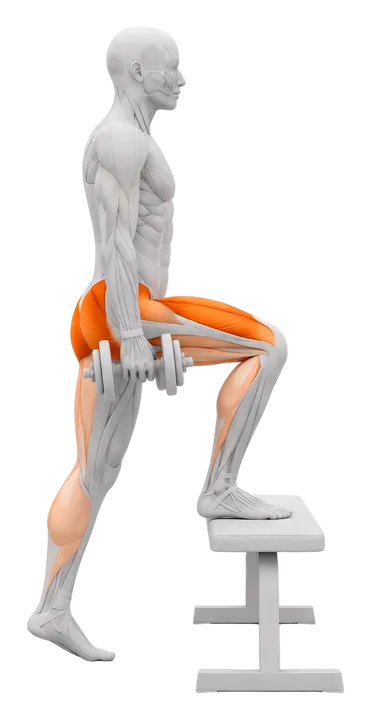
Step ups muscles worked
| Muscle | What it does | Role |
|---|---|---|
| Quadriceps | Straighten the knee of the top leg | Primary |
| Glutes | Extend the hip to stand up, more with a higher box and a forward lean | Primary |
| Gluteus medius | Keeps the pelvis level and the knee in line | Secondary |
| Hamstrings | Help extend the hip | Secondary |
| Calves | Stabilise the ankle, more if you push off | Secondary |
Because each leg works alone, step ups expose strength differences between sides that two leg lifts like the squat can hide. They also train balance and knee control in a way that carries over to stairs, hiking and running.
How to do a dumbbell step up
- Choose the boxUse a sturdy box or bench that does not wobble. Start with a height where your thigh is roughly parallel to the floor when your foot is on top, or lower if you are new.
- Hold the dumbbellsStand tall in front of the box with a dumbbell in each hand, arms hanging by your sides.
- Place the whole footPut one foot flat on the box, heel included. The whole foot must be on the surface, not just the toes.
- Lean in slightly and stand upShift your weight onto the top foot, lean your torso a little forward and push through the heel and midfoot until you are standing on the box. The back foot should come along without pushing off the floor.
- Come down under controlLower the trailing leg slowly back to the floor, keeping the weight on the top leg until your foot touches. Count two to three seconds on the way down.
- Finish all reps on one sideDo every rep with the same leg, then switch. Start with your weaker leg and match the reps on the stronger one.
Box height for step ups
Box height changes the exercise more than any other variable. A taller box means a deeper hip and knee bend at the start, which brings in more glute. A lower box keeps the knee bend small and is easier on the joints.
| Box height | Knee angle at the start | Main effect | Who it suits |
|---|---|---|---|
| Low, 15 to 30 cm (6 to 12 in) | Small bend | Quads, knee control | Beginners, knee rehab, high reps |
| Mid, thigh about parallel | Around 90 degrees | Quads and glutes evenly | Most people, loaded step ups |
| High, above parallel | Deep bend | More glutes, more hip mobility | Experienced lifters, light loads |
A flat gym bench is often around 40 to 45 cm (16 to 18 in), which puts many people close to the mid option. If you are short, that may already count as a high box. Go only as high as you can stand up from without pushing off with the bottom leg or letting the knee collapse inward.
Knee position and form cues
- "Knee over the middle toes." The top knee should track over your second and third toes, not drift inward. If it caves, lower the box or the weight.
- "Knee forward is allowed." Letting the knee move past the toes as you rise is normal and makes the quads work more. It is not a fault as long as it is pain free.
- "Heel heavy." Push through the heel and midfoot of the top foot. Pushing through the toes shifts the work to the calf.
- "Dead back leg." The trailing foot only goes along for the ride. If you bounce off it, the top leg is doing less than you think.
- "Hips level." Do not let the hip of the trailing leg drop or hike up as you stand.
Common mistakes
- Pushing off the floor. The most common mistake. Pause with the back toes just touching the floor before each rep to remove the bounce.
- Dropping down. The lowering is half the exercise. Falling back to the floor wastes it and stresses the knee.
- Box too high. If you have to swing your torso or heave with your arms, lower the box.
- Half the foot on the box. A heel hanging off the edge makes balance harder and loads the knee more.
Step ups for glutes vs quads
You can steer the same movement towards different muscles with three small changes.
| More glutes | More quads | |
|---|---|---|
| Box height | Higher | Lower |
| Torso | Lean forward from the hips | Stay upright |
| Knee | Stays more over the ankle | Travels forward over the toes |
| Push through | Heel | Whole foot |
For step ups for glutes, put them next to your other glute exercises and pair them with a hip thrust or an RDL. For quads, a low step with the knee driving forward works almost like a single leg leg extension. Low step versions with the heel raised are sometimes called Peterson or Poliquin step-ups.
Step up variations
| Variation | How | Why use it |
|---|---|---|
| Bodyweight step up | No load | Learning, warm up, home training |
| Dumbbell step up | Dumbbell in each hand | Easiest way to add weight, safe to bail |
| Barbell step up | Bar on the upper back | Heavier loads, needs good balance |
| Goblet step up | One dumbbell or kettlebell at the chest | Helps you stay upright |
| Lateral step up | Stand side-on to the box, step up sideways | More gluteus medius, knee control |
| Crossover step up | Step up across your body onto the box | Hip stability, glutes |
| Cable step up | Cable attached low in front of you | Constant tension, steady load |
| Knee drive step up | Drive the back knee up at the top | Balance, running drills |
Weighted step ups: dumbbell or barbell?
Dumbbell step ups are the default: the weight hangs low, so balance is easier, and you can just drop the bells if you lose your footing. Barbell step ups allow more load but raise the centre of gravity, and losing balance with a bar on your back on top of a box is not fun. Use the barbell only once the dumbbell version is steady and your grip becomes the limit. Lifting straps help when the dumbbells get heavy.
Lateral step ups
Stand next to a low box with the near foot on top. Stand up sideways on that leg, then lower the other foot slowly back to the floor. The lateral version uses a lower box than the front step up and challenges knee control and the side of the hip.
Sets and reps for step ups
| Goal | Sets x reps per leg | Rest | Notes |
|---|---|---|---|
| Strength | 3 to 4 x 5 to 8 | 2 min | Mid box, heavy dumbbells |
| Muscle growth | 3 x 8 to 12 | 90 s | Slow lowering |
| General fitness, home | 2 to 3 x 12 to 15 | 60 s | Bodyweight or light dumbbells |
| Knee rehab | 2 to 3 x 10 to 15 | 60 s | Low box, pain free range |
Step ups fit late in a leg workout, after a squat or leg press, or as the main lower body exercise in a dumbbell leg workout. They also work well at home with a sturdy chair or the bottom stair, as part of a leg workout at home.
How to progress step ups
Add reps until you reach the top of your range in every set, then go up one dumbbell size, usually 2 kg (5 lb) per hand. Once load stops moving, a slightly higher box or a 3 second lowering is another way to make it harder. Adding reps first and load second is called double progression. This is the same progressive overload logic as for every other lift.
Gripp tracks each leg's step ups
Log your step ups set by set and Gripp tells you what to aim for next session, more reps or the next dumbbell. It keeps an estimated 1RM on a progress chart and shows the muscles worked on the exercise page.
Join the waitlistStep ups alternatives
- Bulgarian split squat: the closest single leg alternative, with the rear foot on a bench. See the Bulgarian split squat guide.
- Reverse lunge: no box needed, easy on the knees. More in lunges.
- Box squat: two legs, controlled depth, good for sore knees.
- Single leg Romanian deadlift: single leg work for the back of the leg.
- Leg press, one leg at a time: single leg loading without the balance demand.
Similar exercises
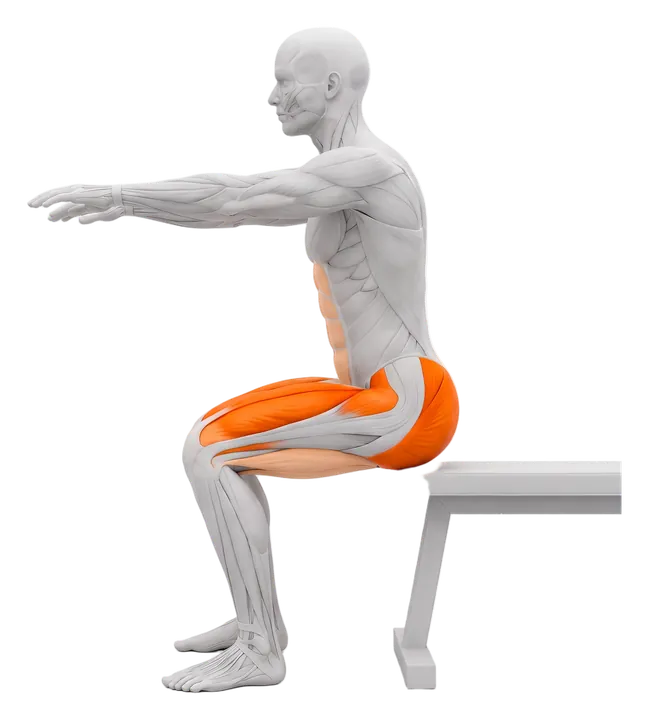 Box squat to benchQuads and glutesGuide
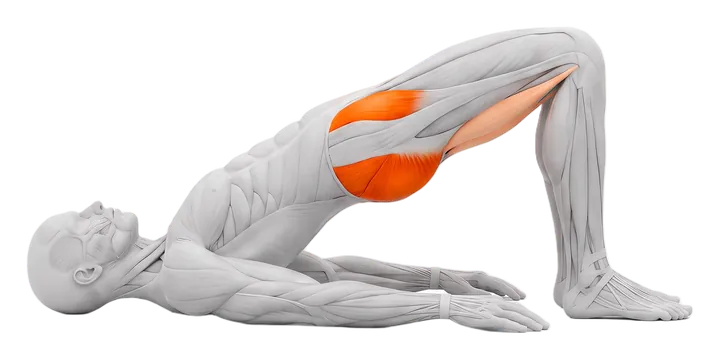 Glute bridgeGlutesGuide
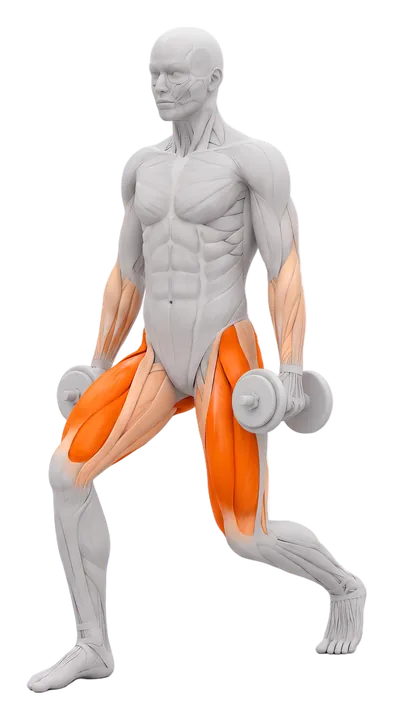 Dumbbell walking lungeQuads and glutesGuide
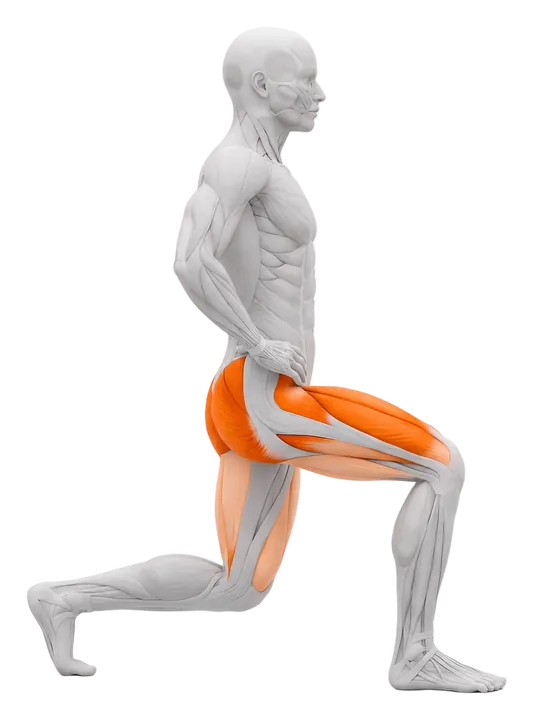 Reverse lungeQuads and glutes
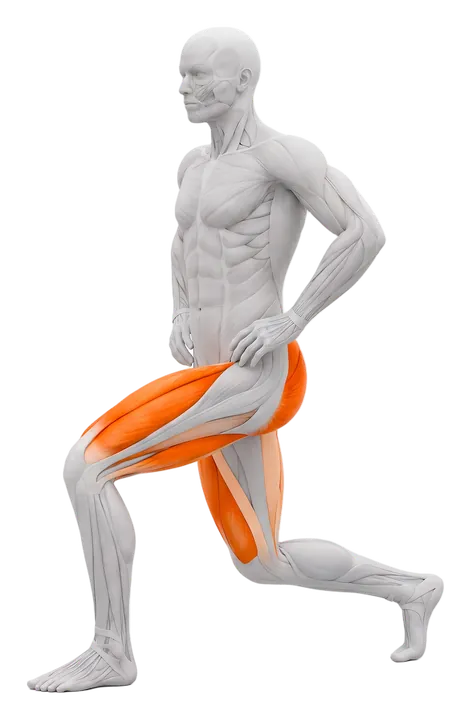 Split squatQuads and glutes
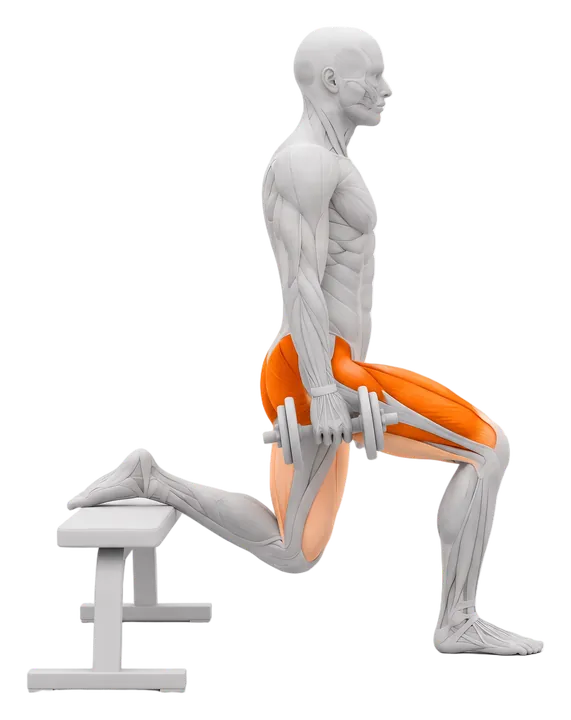 Bulgarian split squatQuads and glutesGuide