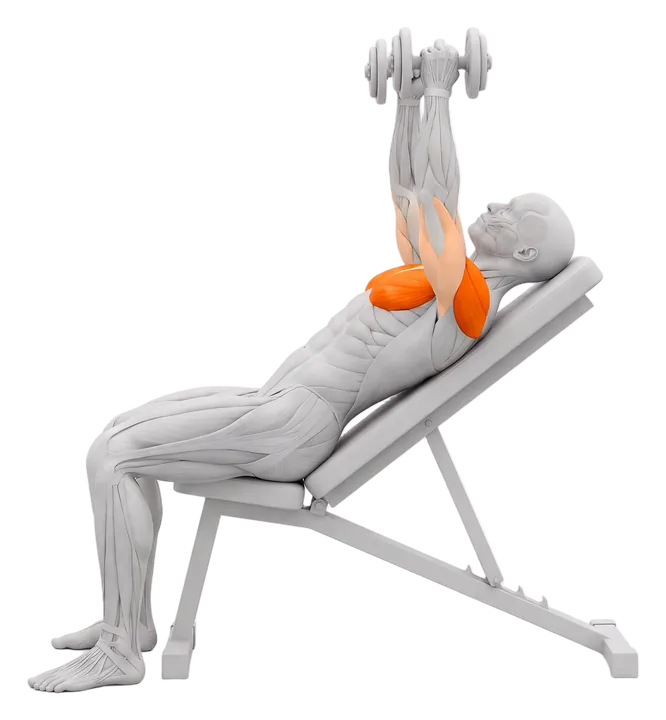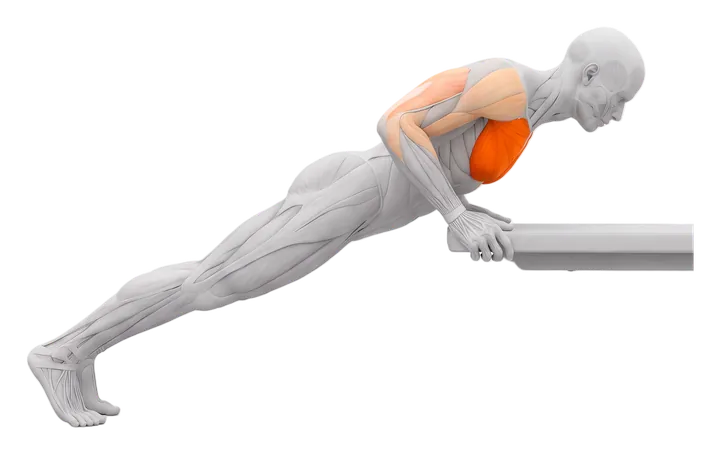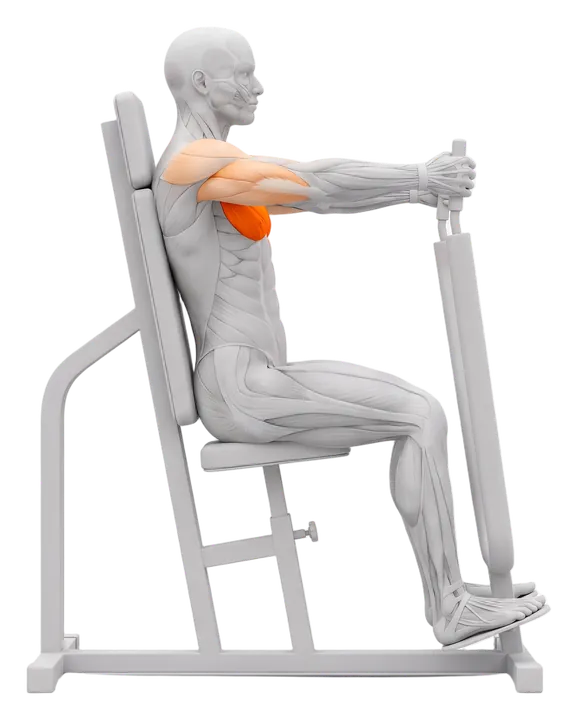
Chest press machine muscles worked
| Muscle | What it does | Role |
|---|---|---|
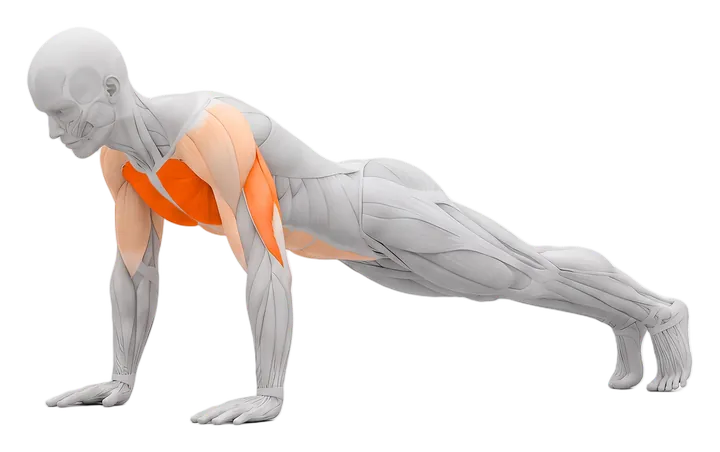
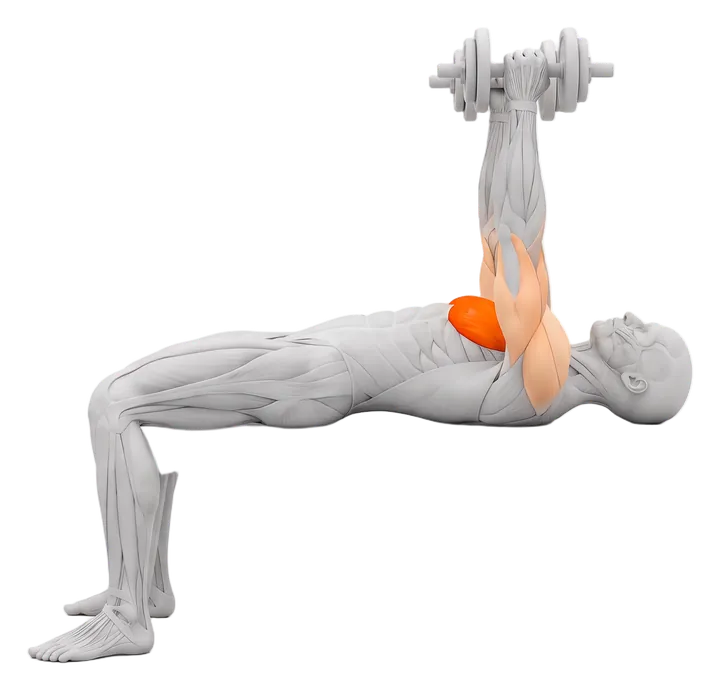
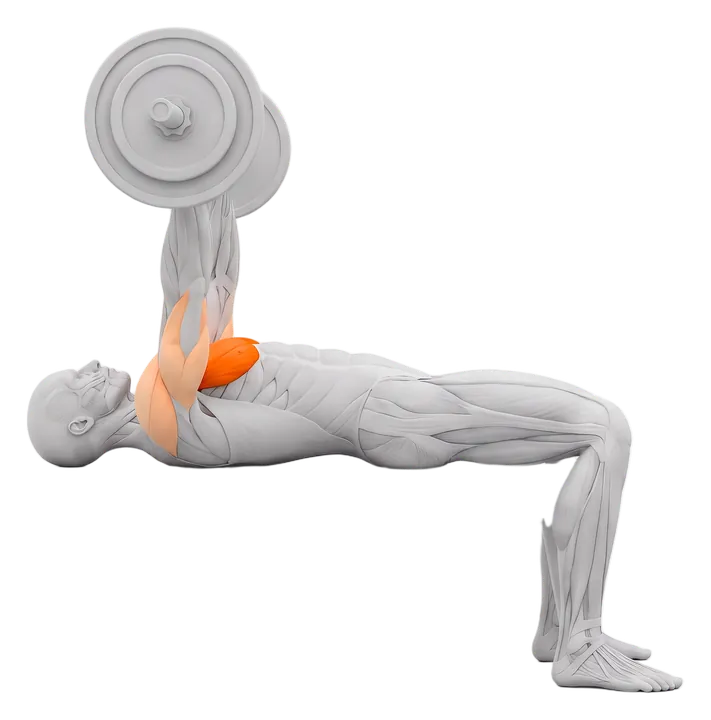
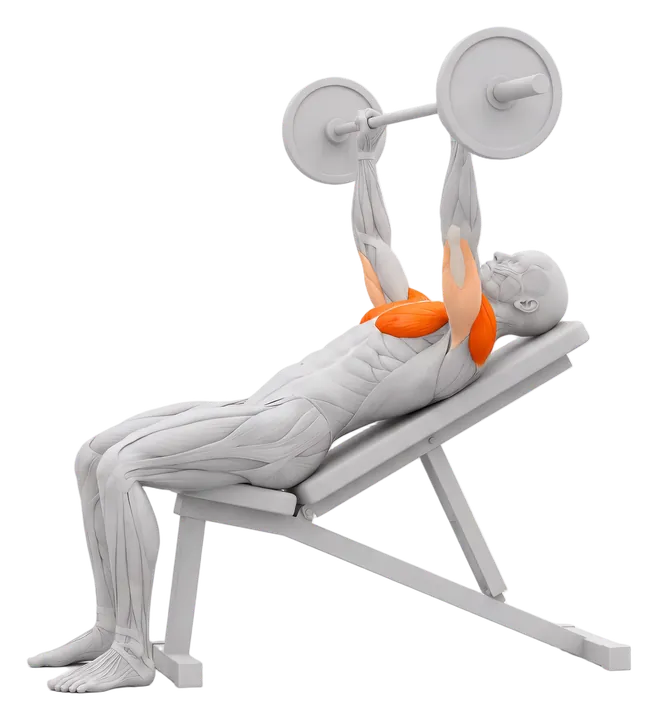
| Chest (pectoralis major) | Pushes the handles forward and in | Primary |
| Front delts | Help move the upper arm forward | Secondary |
| Triceps | Straighten the elbows near the end of the press | Secondary |
| Serratus anterior | Keeps the shoulder blades against the ribs | Stabiliser |
Since the machine controls the path, the small stabilising muscles do less than in a free weight press. That is the trade: less coordination needed, more of your effort goes straight into the chest. Seat height shifts the emphasis a little. Handles lined up with the lower chest give a slightly more lower pec feel, while a low seat that puts the handles near the collarbones moves it towards the upper chest and shoulders.
How to set up the chest press machine
- Set the seat heightSit down and adjust the seat so the handles line up with the middle of your chest, roughly level with your nipples. This single setting matters more than anything else on the machine.
- Set the start positionMany machines have a lever or pin that sets how far back the handles start. Choose a position where you feel a mild stretch across the chest with your hands beside you, not a strain in the front of the shoulders.
- Pick the gripUse the horizontal handles for a classic bench feel or the vertical (neutral) handles if your shoulders prefer palms facing in.
- Sit back into the padPull the shoulder blades back and down into the backrest, feet flat on the floor or footrest. Keep your head against the pad.
How to do a machine chest press
- Press forwardPush the handles away until your arms are straight but not locked hard. Breathe out on the way out.
- Keep the shoulders backThe handles move forward; your shoulder blades should not. If they peel off the pad at the end, you are reaching rather than pressing.
- Return slowlyLet the handles come back over about two seconds until they reach the start position. Do not let the stack slam down between reps.
- Keep tension at the backStop just before the plates touch so the chest stays loaded for the whole set.
Machine chest press form cues and mistakes
- Seat too high or too low. Handles at your neck load the shoulders; handles at your belly make the press awkward. Line them up with mid chest.
- Start position too deep. A big stretch looks productive, but forcing the shoulders past their comfortable range under load is how they get irritated.
- Elbows straight out to the sides. Keep them a little below shoulder height, about 45 to 60 degrees from the body.
- Head and hips lifting off the pad. If you need to wriggle to finish a rep, the weight is too heavy for clean reps.
- Hard lockouts. Snapping the elbows straight at the end of each rep moves the load from the muscle into the joint.
Why the chest press machine suits beginners
Learning a free weight press takes weeks of practice before the weight becomes the limiting factor. A machine removes most of that. You can learn to feel the chest working, load the press from the first session and add weight in small pin steps, which also means quick, visible progress in your log.
- No balance needed: the path is fixed, so you spend your effort on pushing.
- Easy loading: move a pin instead of carrying plates and dumbbells.
- Comfortable for most shoulders: neutral handles and an adjustable start make it easy to find a range that feels good.
- Good place to start: it fits naturally in a beginner workout plan next to a row and a leg machine.
The machine does not teach you the setup and bracing of a barbell bench press. If you want to bench later, add it in once you are comfortable on the machine, and keep the machine for extra volume.
Training to failure on the chest press safely
Going all the way to failure on a barbell bench alone is risky: the bar can pin you. On a machine, a failed rep just means the handles stop. That makes it one of the better exercises for the final hard sets of a chest day.
- Do it last. Use the machine for your all-out sets after the free weight presses, when technique matters less and fatigue is high.
- Keep form strict to the final rep. Failure means the handles will not move with clean form, not that you arched off the seat to grind one more.
- One or two failure sets is plenty. Take the final set to failure and keep the others 1 to 2 reps short.
- Let the handles back slowly. At failure, control the return to the start position rather than letting go.
- Drop sets work well here. Moving the pin takes seconds, so you can drop the weight about 20 to 30 % and keep going. See drop sets for how to use them.
Chest press vs bench press
| Chest press machine | Barbell bench press | |
|---|---|---|
| Learning curve | Minutes | Weeks to months |
| Stabiliser work | Low, the path is fixed | High, you control the bar |
| Spotter needed | No | For heavy sets, or a rack with safeties |
| Weights compare between gyms | No, every machine differs | Yes, a bar is a bar |
| Best use | Beginners, failure sets, drop sets, sore shoulders | Strength, long term tracking |
Is the chest press machine as good as the bench press? For chest size, it can be: muscles respond to hard sets, and the machine makes hard sets easy to do. For maximal strength on a barbell, nothing replaces practising with the bar.
Plate loaded and lying chest press machines
Besides the classic seated stack machine, many gyms have plate loaded chest presses with separate arms, and some have a lying, bench style chest press machine. On plate loaded models the arms themselves add resistance, and how much differs between brands and models. Do not try to work out the total. Log the plates you load and the same machine each time, and your progress will be clear.
Independent arm machines also let you press one side at a time, which is useful if one side is weaker or after an injury, once a professional has cleared you to train.
Sets and reps for the chest press machine
| Goal | Sets x reps | Rest | Notes |
|---|---|---|---|
| Beginner | 3 x 10 to 12 | 90 s | Stop 2 to 3 reps short of failure for the first weeks |
| Muscle growth | 3 x 8 to 12 | 90 s to 2 min | Last set to failure |
| Finisher after free weights | 2 x 12 to 15 | 60 to 90 s | Add a drop set on the last one |
| Rehab or easy day | 2 to 3 x 12 to 15 | 60 s | Light, pain free range, with professional guidance |
Move the pin up one plate once you hit the top of the rep range in all sets. Stack steps differ between machines, so on some a single plate is a big jump; add reps until it is not.
Gripp keeps machine numbers honest
Log the machine press like any other lift and Gripp tells you next session whether to add a rep or move up a plate. An estimated 1RM per exercise goes on a progress chart, so a stall shows up quickly.
Join the waitlistOther chest machine exercises
- Pec deck (machine fly): chest isolation with the arms nearly straight, a good partner for the press.
- Incline press machine: the same idea for the upper chest; compare with the free bar in the incline bench press guide.
- Cable crossover station: flies from any height; see the cable chest workout.
- Assisted dip machine: a lower chest and triceps press with less than bodyweight, building up to full dips.
- Smith machine bench press: a bar on rails, between a machine and a free bench.
For a full list with free weight options, see all chest exercises.