What a beginner workout routine needs
Most first plans fail for one of three reasons: too many days, too many exercises, or no idea when to add weight. A beginner strength training routine solves those three problems and nothing else matters much in the first months.
- Three days a week. Monday, Wednesday and Friday, or any three days with a rest day after each. Enough to improve fast, few enough to keep up when life gets busy.
- Full body every session. Each workout has a leg exercise, a hip hinge, a push and a pull. You practise every movement three times a week, which is how beginners learn them.
- Five or six exercises. Sessions of 45 to 60 minutes. Long enough to do the work, short enough that you still want to come back.
- A clear progression rule. You always know what to lift next time. This is what turns a list of exercises into a plan.
You do not need a split, supersets or special techniques yet. Those tools solve problems that intermediate lifters have. Why three full body days beat other setups at this stage is covered in the 3 day split guide.
Phase 1 (weeks 1 to 4): learn the movements
The first month is about technique and habit. Machines and dumbbells are easier to set up and safer to push when you are new, so phase 1 uses them. Do the same workout every session. Pick weights where the last rep of each set still looks like the first.
| # | Exercise | Sets | Reps | Rest |
|---|---|---|---|---|
| 1 | Goblet squat | 3 | 10 | 90 s |
| 2 | Leg press | 2 | 12 | 90 s |
| 3 | Machine chest press | 3 | 10 | 90 s |
| 4 | Lat pulldown | 3 | 10 | 90 s |
| 5 | Dumbbell Romanian deadlift | 2 | 10 | 90 s |
| 6 | Plank | 2 | 20 to 30 s | 60 s |
When the same weight feels easy for all sets, go up a step next session: one pin on the machine, or the next pair of dumbbells. If your form changes when you add weight, go back and stay there one more week.
Phase 2 (weeks 5 to 8): A and B workouts
Now the plan splits into two workouts that alternate: A, B, A one week, B, A, B the next. Barbell lifts come in, starting light. If the barbell feels like too much, keep the goblet squat and dumbbell versions; they work just as well for building strength at this stage.
| # | Exercise | Sets x reps | Rest |
|---|---|---|---|
| 1 | Back squat (or goblet squat) | 3 x 8 | 2 min |
| 2 | Dumbbell bench press | 3 x 8 to 10 | 2 min |
| 3 | Seated cable row | 3 x 10 | 90 s |
| 4 | Glute bridge or hip thrust | 2 x 12 | 90 s |
| 5 | Dead bug | 2 x 8 per side | 60 s |
| # | Exercise | Sets x reps | Rest |
|---|---|---|---|
| 1 | Romanian deadlift (barbell or dumbbell) | 3 x 8 | 2 min |
| 2 | Seated dumbbell shoulder press | 3 x 8 to 10 | 2 min |
| 3 | Lat pulldown or assisted pull-up | 3 x 8 to 10 | 90 s |
| 4 | Reverse lunge | 2 x 8 per leg | 90 s |
| 5 | Side plank | 2 x 20 s per side | 60 s |
Phase 3 (weeks 9 to 12): get stronger
By week 9 the movements feel familiar and you can push a bit harder. Each workout leads with a barbell lift in lower reps, followed by work in higher reps. Sets should now end one or two reps before you could not do another.
| # | Workout A | Workout B |
|---|---|---|
| 1 | Back squat: 3 x 5 to 8 | Deadlift or trap bar deadlift: 3 x 5 |
| 2 | Bench press: 3 x 5 to 8 | Overhead press: 3 x 6 to 8 |
| 3 | Dumbbell row: 3 x 8 to 12 per arm | Lat pulldown: 3 x 8 to 12 |
| 4 | Romanian deadlift: 2 x 8 to 10 | Bulgarian split squat: 2 x 8 per leg |
| 5 | Lateral raise: 2 x 12 to 15 | Dumbbell curl: 2 x 10 to 12 |
| 6 | Hanging knee raise: 2 x 10 | Cable triceps pushdown: 2 x 10 to 12 |
After week 12 you have a choice. Stay on phase 3 as long as the weights keep going up, which for many people is months. Or move to a structured program such as Starting Strength, Greyskull LP or StrongLifts 5x5 if barbell strength is your main goal, or a full body workout with three different days if you want more variety.
How to choose your starting weights
There is no chart that gives the right number for your first squat, because it depends on your body, your history and the equipment. Find it in the gym instead:
- Start embarrassingly lightAn empty barbell, 20 kg (45 lb), or a light dumbbell. Do one set of the target reps and judge how it felt.
- Go up in small stepsAdd 5 to 10 kg on leg exercises and 2.5 to 5 kg on upper body exercises, one set at a time. Stop when the set feels like you could do 3 or 4 more reps with good form.
- Write it downThat is your starting weight. Do your work sets with it today, and note it so next session starts from there.
Starting too heavy is the most common beginner mistake. A start that feels too easy costs you a week or two. Starting too heavy costs you good technique and often the motivation to come back.
How to progress as a beginner
Beginners can add weight faster than anyone else, because the first months of strength come mostly from learning the movements. Use that while it lasts. This is the simplest form of progressive overload:
- Fixed reps (phase 1 and 2): if you hit all sets with good form, add a small step next session. Squat, deadlift and leg press: 2.5 to 5 kg (5 to 10 lb). Presses, rows and pulldowns: 1 to 2.5 kg (2.5 to 5 lb).
- Rep ranges (phase 3): stay at a weight until every set hits the top of the range, then add the small step and start again at the bottom. That is double progression, and it keeps working long after beginner gains slow down.
- Stuck for three sessions? Take about 10 % off that lift and build back up. Usually you pass the old weight within two or three weeks.
An example: week 5 squat 40 kg (90 lb) for 3 x 8. If every session goes well, that can be 60 kg (130 lb) or more by week 12. Many beginners progress faster or slower than that, and both are fine; what matters is that the number keeps moving.
No guessing what to lift next session
Set your three days in Gripp and log each set's reps and weight. Next time it shows what to aim for: last time 8 reps at 40 kg, so add a step today, or chase one more rep. Each exercise has a page with a muscle map, and the strength rating shows how you compare with people of your age and bodyweight as you improve. Unsure about an exercise? Ask the AI coach, which knows your plan and history.
Join the waitlistYour first weeks: what to expect
- Soreness. Expect sore legs after the first two or three sessions. It fades quickly as long as you keep training; the guide to sore muscles explains what helps.
- Fast early gains. Weights go up quickly for the first months. Do not read too much into a single bad day.
- Technique doubts. Film a set from the side now and then, and compare with the exercise guides. When something hurts (not just feels hard), stop that exercise and get it checked by a physio or a qualified coach.
- Rest days matter. Walking, cycling or an easy run on off days is fine. You do not need to lift on more than three days.
Beginner mistakes to avoid
- Copying an advanced lifter's split. Six days of push pull legs makes sense for someone with years of training. You need practice, not volume.
- Changing the plan every few weeks. Keep the exercises for at least 12 weeks. New exercises feel productive, but repeating the same ones is how you get strong.
- Training to failure. Stop most sets with a rep or two left. Grinding out reps with bad form teaches bad form.
- Skipping the hinge and the pull. Romanian deadlifts and rows balance the squats and presses, and protect your back and shoulders.
- Not logging. You will not remember last Wednesday's numbers. Write every set down.
The exercises
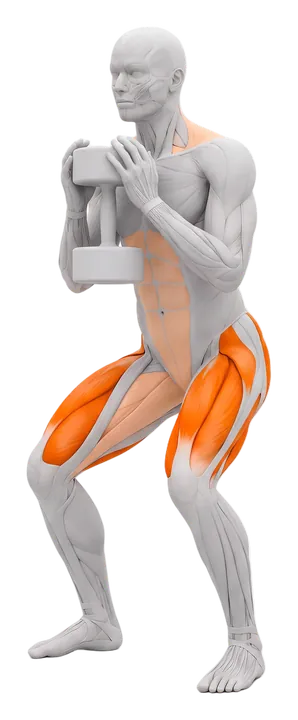 Goblet squatQuads and glutesGuide
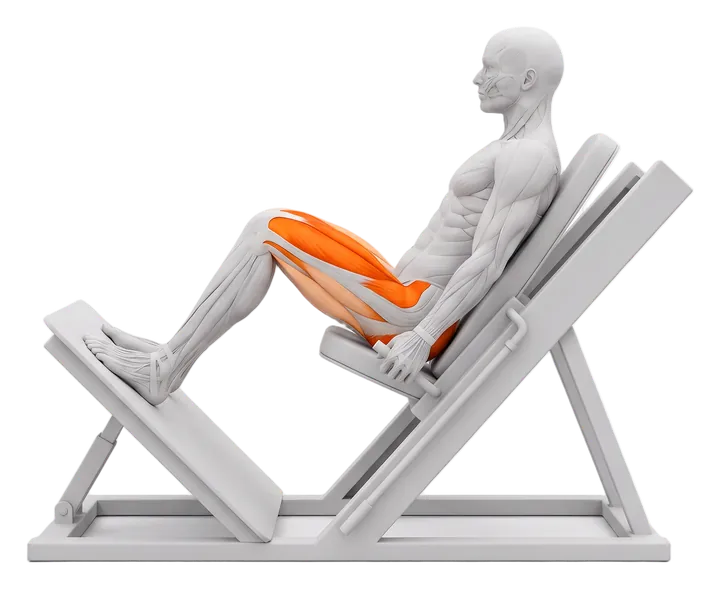 Leg pressQuads and glutesGuide
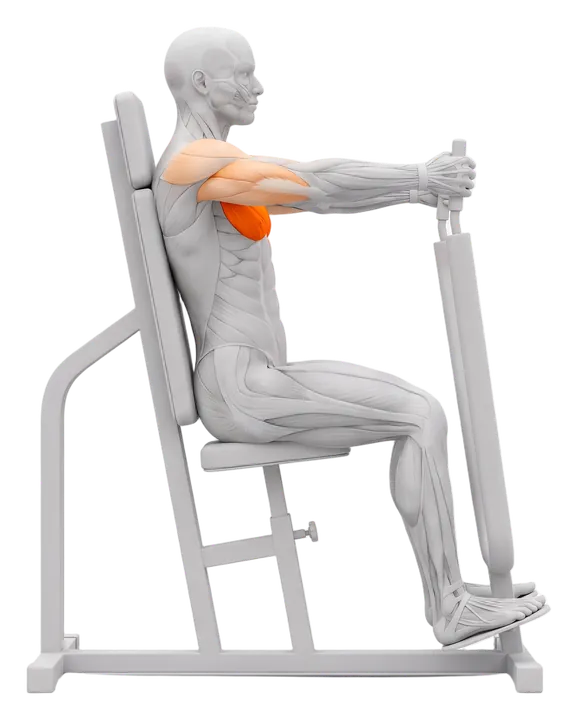 Machine chest pressChestGuide
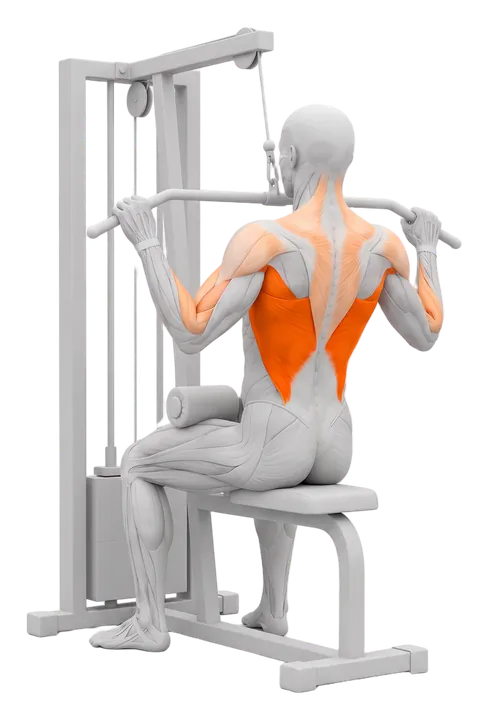 Lat pulldownLatsGuide
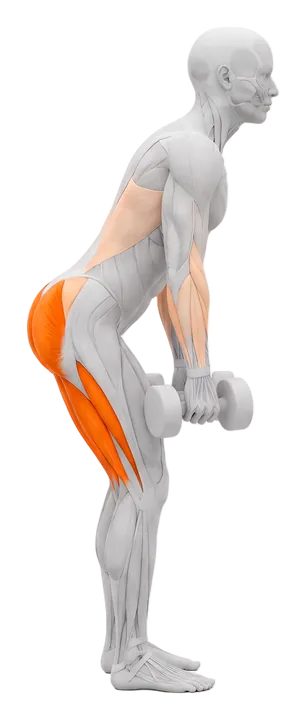 Dumbbell Romanian deadliftHamstrings and glutes
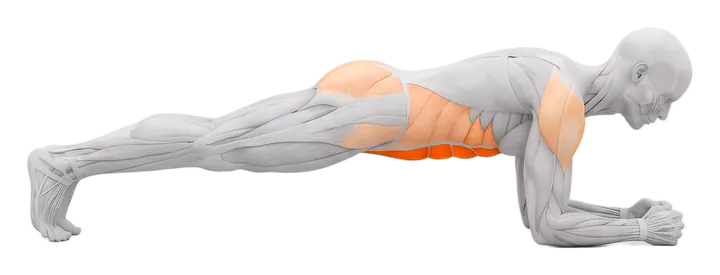 Front plankAbsGuide
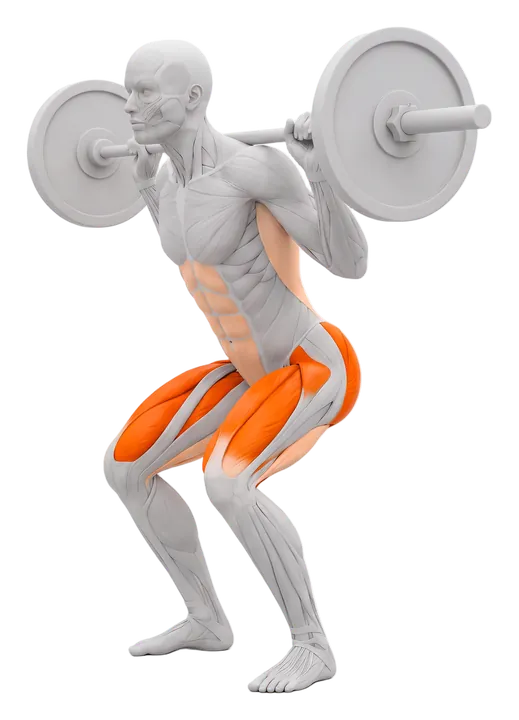 Barbell back squatQuads and glutesGuide
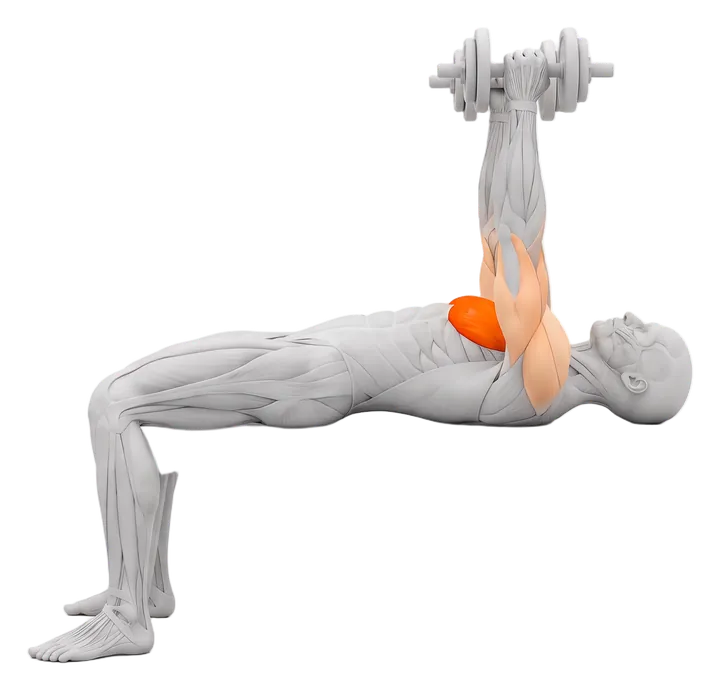 Dumbbell bench pressChestGuide
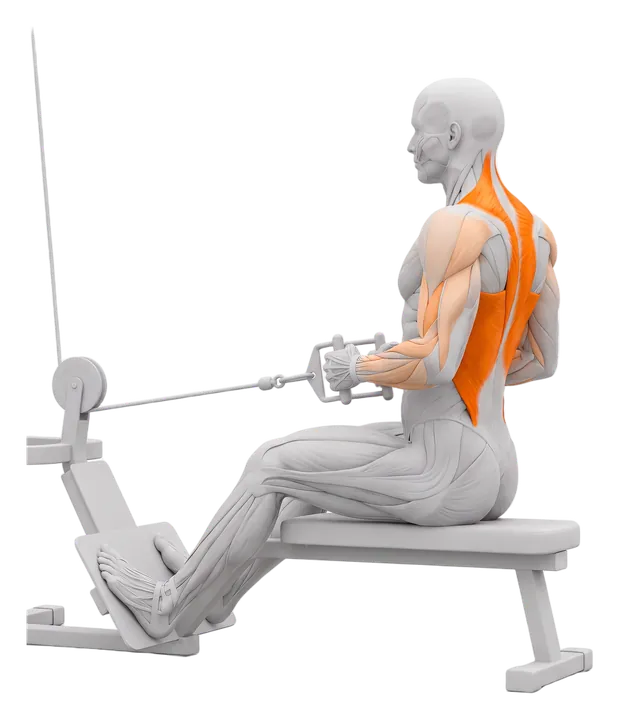 Seated cable rowUpper back and latsGuide
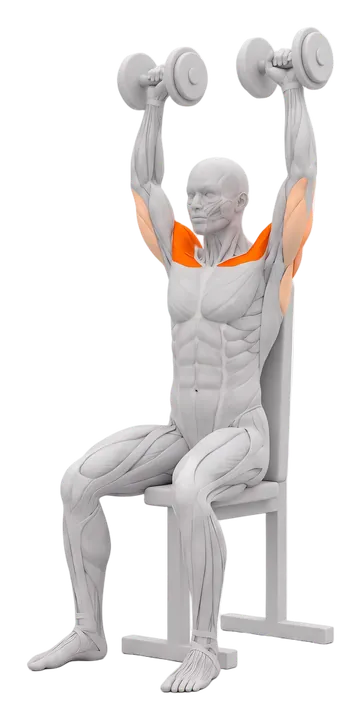 Seated dumbbell shoulder pressFront deltsGuide
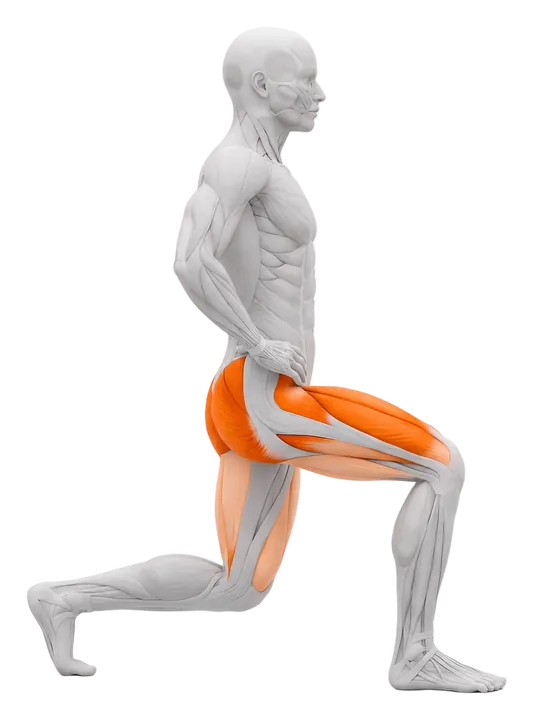 Reverse lungeQuads and glutes
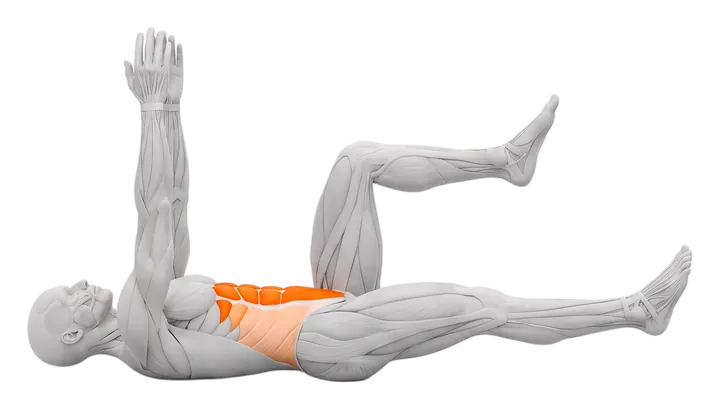 Dead bugAbsGuide