Is strength training different for women?
Less than most magazines suggest. Muscle responds to the same signal in women and men: lifting something heavy enough, for enough sets, and a little more over time. The exercises, rep ranges and rest times that work for a man of the same experience work for you. What differs is mostly where people start and what they want.
- Starting point: many women are new to the barbell and start relatively stronger in the legs and hips than in the chest, shoulders and back. That makes upper body pulling and pressing worth some extra attention.
- Goals: stronger glutes and legs, better posture, feeling capable in daily life and confident in the free weight area are common goals. A plan can lean toward them without dropping the rest of the body.
- Getting "bulky": building a lot of muscle takes years of hard, deliberate training for anyone. Lifting heavy for a few months mostly makes you stronger and changes your shape gradually. You stay in control of how far you take it.
For general health, the World Health Organization recommends muscle strengthening activity for all major muscle groups on two or more days a week. Both plans below meet that with room to spare.
The 3 day workout plan for women (gym)
Three full body days, for example Monday, Wednesday and Friday. Each day has a different main lower body lift, so the glutes and legs get trained three times a week from different angles, while the upper body gets a press and a pull every session.
| Exercise | Sets | Reps | Rest |
|---|---|---|---|
| Back squat or goblet squat | 3 | 6 to 10 | 2 to 3 min |
| Dumbbell bench press | 3 | 8 to 12 | 2 min |
| Seated cable row | 3 | 10 to 12 | 90 s |
| Lying leg curl | 2 | 10 to 15 | 90 s |
| Lateral raise | 2 | 12 to 20 | 60 s |
| Dead bug | 2 | 8 per side | 45 s |
| Exercise | Sets | Reps | Rest |
|---|---|---|---|
| Hip thrust | 4 | 8 to 12 | 2 min |
| Romanian deadlift | 3 | 8 to 10 | 2 min |
| Lat pulldown or assisted pull-up | 3 | 8 to 12 | 90 s |
| Seated dumbbell shoulder press | 3 | 8 to 12 | 90 s |
| Hip abduction machine | 2 | 15 to 20 | 60 s |
| Plank | 2 | 30 to 45 s | 45 s |
| Exercise | Sets | Reps | Rest |
|---|---|---|---|
| Bulgarian split squat | 3 | 8 to 10 per leg | 2 min |
| Leg press | 3 | 10 to 15 | 2 min |
| Incline dumbbell press | 3 | 8 to 12 | 90 s |
| One arm dumbbell row | 3 | 10 to 12 per arm | 90 s |
| Face pull | 2 | 15 to 20 | 60 s |
| Single leg glute bridge | 2 | 10 to 12 per leg | 60 s |
Each session takes 50 to 65 minutes with warm up sets. Most sets should finish with one to three reps left in the tank. If a session runs long, drop the last exercise, not the rest between the first ones.
The 4 day plan: upper and lower, glute focused
With four days you can give the lower body two full sessions and the upper body two shorter ones. It is a variation on the upper lower split, with more glute and hamstring work on both lower days. A good layout is Monday, Tuesday, Thursday and Saturday.
| # | Lower 1 (Mon) | Upper 1 (Tue) | Lower 2 (Thu) | Upper 2 (Sat) |
|---|---|---|---|---|
| 1 | Back squat, 4 x 5 to 8 | Dumbbell bench press, 3 x 8 to 10 | Hip thrust, 4 x 6 to 10 | Seated dumbbell shoulder press, 3 x 8 to 10 |
| 2 | Romanian deadlift, 3 x 8 to 10 | Lat pulldown, 3 x 8 to 12 | Bulgarian split squat, 3 x 8 to 10 per leg | Chest supported row, 3 x 8 to 12 |
| 3 | Walking lunge, 2 x 10 per leg | Seated cable row, 3 x 10 to 12 | Single leg Romanian deadlift, 2 x 8 to 10 per leg | Incline push-up or machine chest press, 3 x 8 to 12 |
| 4 | Lying leg curl, 3 x 10 to 12 | Lateral raise, 3 x 12 to 20 | Hip abduction machine, 3 x 15 to 20 | Assisted pull-up, 3 x 5 to 8 |
| 5 | Standing calf raise, 3 x 10 to 15 | Dumbbell curl and overhead triceps extension, 2 x 12 each | Back extension, 2 x 12 to 15 | Rear delt fly, 2 x 15 to 20 |
| 6 | Dead bug, 2 x 8 per side | Side plank, 2 x 30 s per side | Pallof press, 2 x 10 per side |
Both lower days are hard, so keep at least one day between them. If you would rather have the upper body treated as an equal priority, use the standard templates in the 4 day split guide instead. For more glute exercises to swap in, see glute exercises.
How to progress, step by step
The most common thing that holds women back in the gym is not the plan, it is staying at the same comfortable weights for months. Muscle and strength need a reason to adapt. Use a rep range and move up through it before you add weight, which is called double progression:
- Pick a weight for the low endHip thrust 4 x 8 to 12: choose a load you can do 8 clean reps with and two more in reserve, say 50 kg (110 lb).
- Add a rep where you canNext session: 9, 8, 8, 8. Then 10, 9, 9, 8. Same weight, slightly more work each time.
- Add weight at the topWhen all four sets reach 12, go up: 5 kg (10 lb) on hip thrusts, squats and Romanian deadlifts, 1 to 2.5 kg (2.5 to 5 lb) on presses, rows and dumbbell work. Start again at 8 reps.
Upper body lifts move in smaller steps, so progress there can feel slower. That is normal. If your gym's dumbbells jump 2 kg at a time, do more reps before moving up. For the bigger picture of why this works, read the progressive overload guide.
Your plan, with the next target for every set
Set your 3 or 4 gym days in Gripp, plus a run or a class if you have one, and log each set's reps and weight. Next session it tells you what to lift: last time 10 reps at 50 kg, today go for 11. The strength rating per muscle group compares you with people of your age and bodyweight, so you see your legs, glutes and upper body improve separately. Rehab can be a goal too.
Join the waitlistTraining through your cycle, pregnancy and after 40
Your menstrual cycle
Research on planning training around cycle phases is mixed, and no specific schedule has been shown to work better for most women. A practical approach: follow the plan, and on days when you feel flat, keep the exercises but take one set off or stop a little further from failure. Logging your sessions makes it easier to see whether a pattern really exists for you.
Pregnancy and after giving birth
Many women keep lifting during pregnancy, but what is right depends on you and your pregnancy, so agree on it with your midwife or doctor. After birth, get the go ahead from them before you return to heavy lifting, and consider a pelvic floor physio if you have any leaking, heaviness or pain.
Strength training for women over 40
Muscle and bone become harder to keep with age, and strength training is one of the best tools for holding on to both. The plans above work at 40, 50 and beyond. Start lighter, take a longer warm up, and use machine or dumbbell versions of any lift that bothers your joints. Progress may be slower, but it still comes. If you have osteoporosis or a joint condition, check with a doctor or physio which exercises fit you.
Common mistakes in women's strength training
- Light weights for high reps forever. 20 reps with a tiny dumbbell is mostly endurance work. Use weights that make 8 to 15 reps hard.
- Only training the lower body. Glutes are a great goal, but a strong back and shoulders improve posture and make every lift easier. Keep a press and a pull in every session.
- Circuits instead of strength sessions. Rushing from station to station with short rests limits how much you can lift. Rest 1.5 to 3 minutes on the main exercises.
- Avoiding the free weight area. Squats, hip thrusts and Romanian deadlifts are where most progress happens. Start with an empty bar if you want; nobody watches as closely as it feels.
- Switching programs every month. Give one plan 8 to 12 weeks, log it, and judge it by the numbers.
The exercises
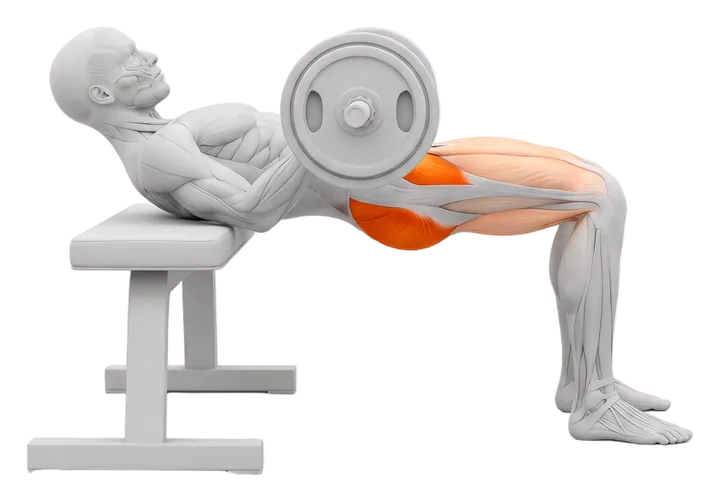 Barbell hip thrustGlutesGuide
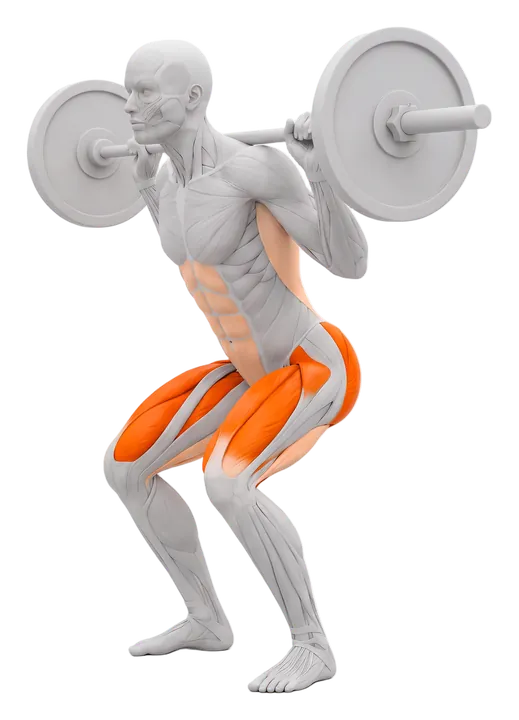 Barbell back squatQuads and glutesGuide
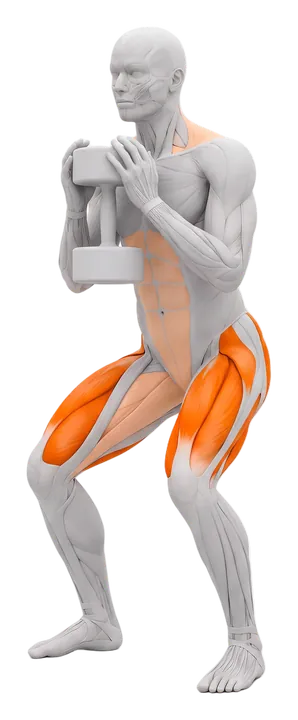 Goblet squatQuads and glutesGuide
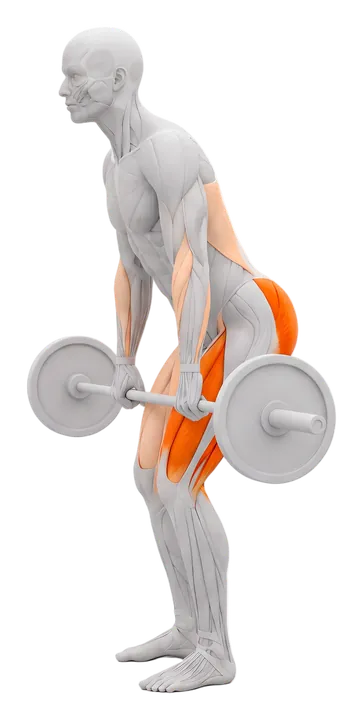 Romanian deadliftHamstrings and glutesGuide
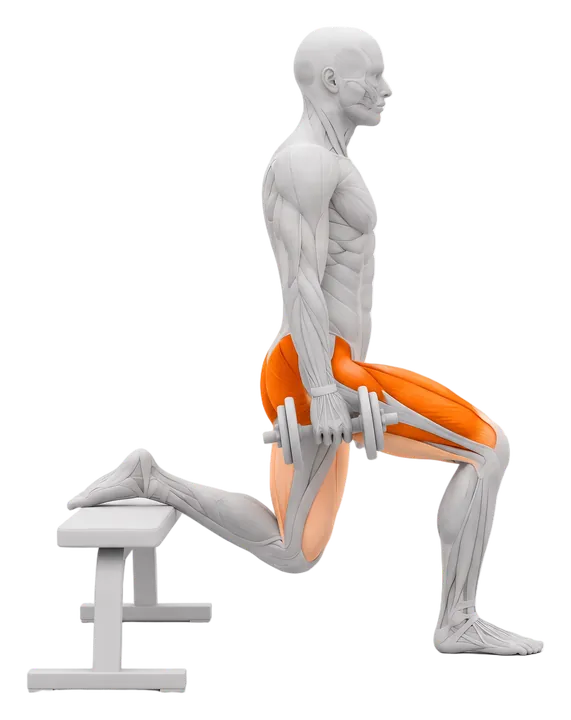 Bulgarian split squatQuads and glutesGuide
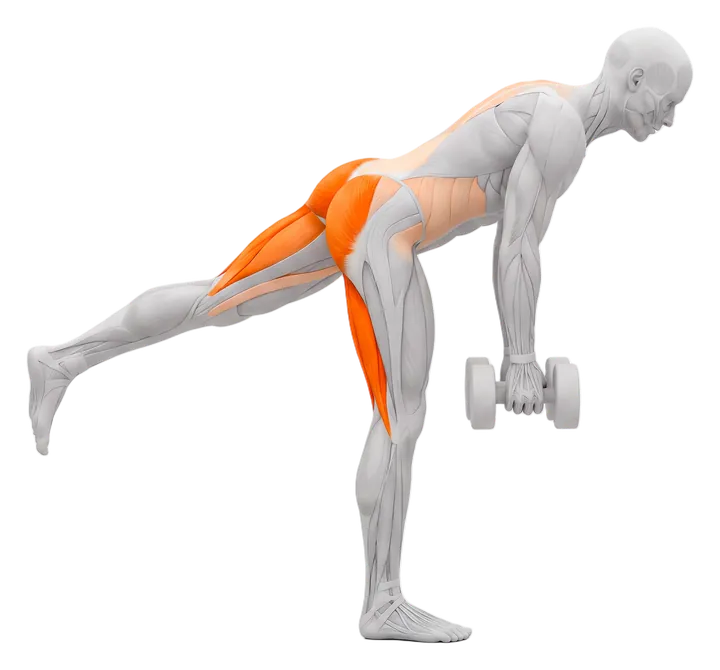 Single-leg Romanian deadliftHamstrings and glutesGuide
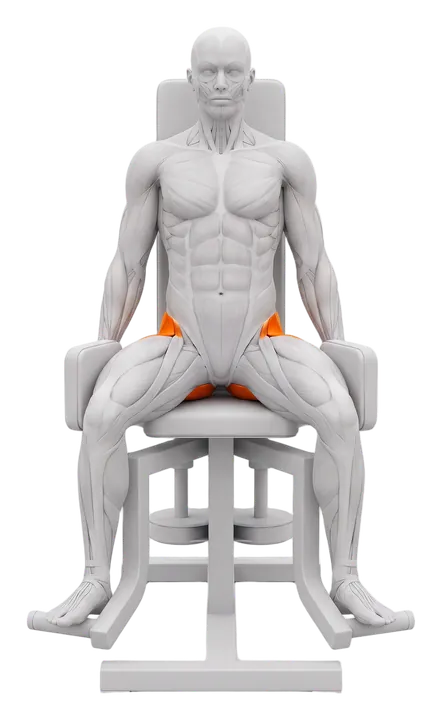 Hip abduction machineGlutesGuide
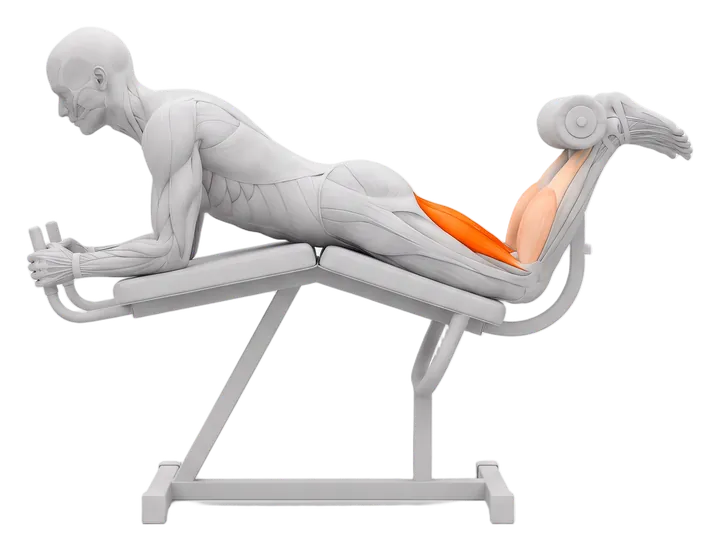 Lying leg curlHamstringsGuide
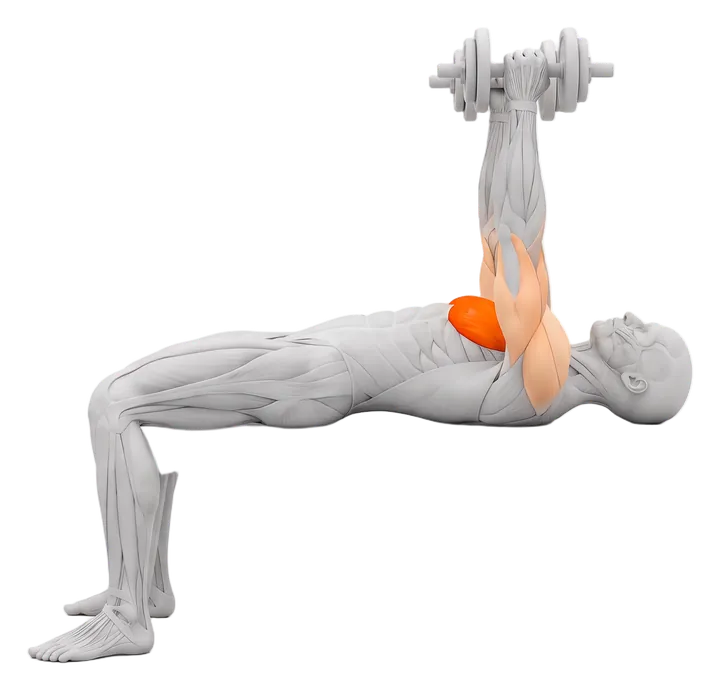 Dumbbell bench pressChestGuide
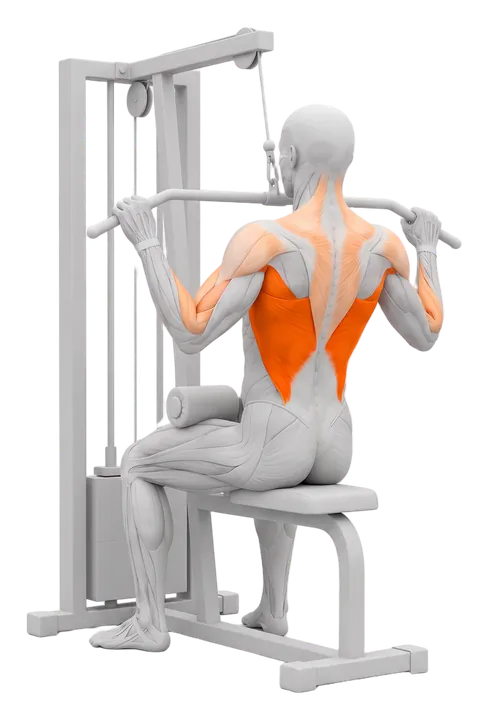 Lat pulldownLatsGuide
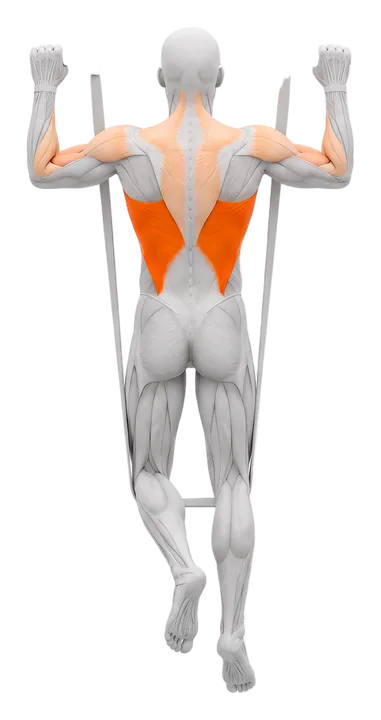 Band-assisted pull-upLats
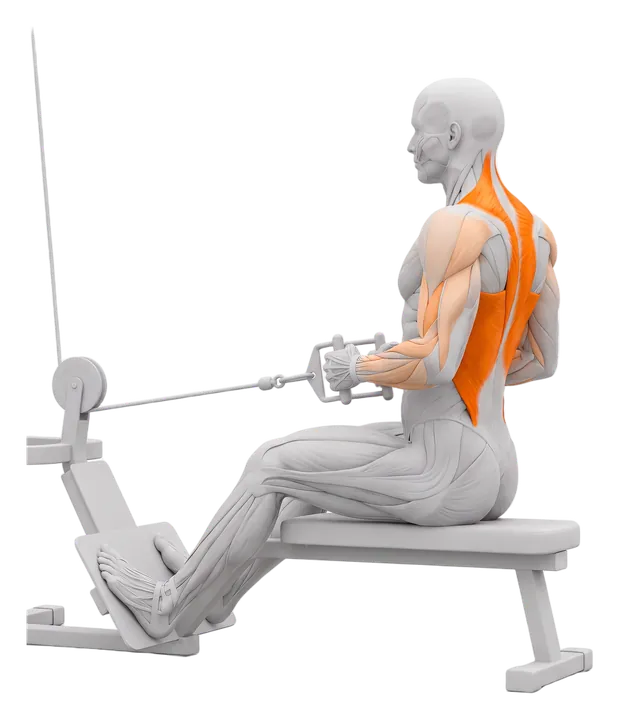 Seated cable rowUpper back and latsGuide
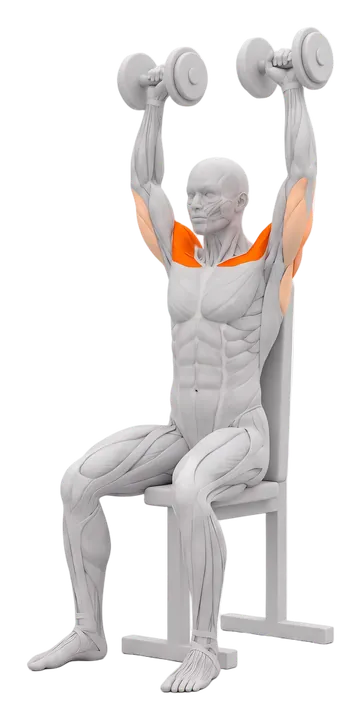 Seated dumbbell shoulder pressFront deltsGuide
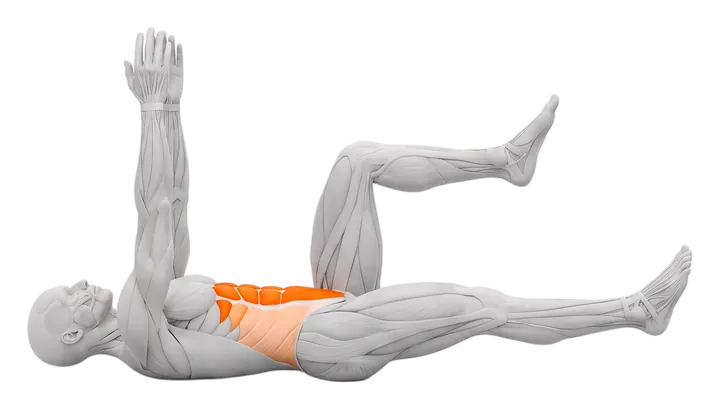 Dead bugAbsGuide