Why the trap bar is easier to learn
With a straight bar, the bar has to travel around your knees, so you must push the hips back and lean forward to keep it close. Small mistakes in that position show up as a rounded lower back. The trap bar removes that problem: the weight hangs at your sides, roughly through the middle of your feet, and the bar never touches your legs.
- Fewer things to get right. Stand in the middle, grab the handles, stand up. Most beginners look decent on their first session.
- More upright torso. Less forward lean means less shear on the lower back for the same load.
- Neutral grip. Palms face each other, which many people find easier on the shoulders and elbows.
- High handles. Most trap bars have a raised set of handles that shortens the pull, useful for tall lifters or anyone with limited hip mobility.
- Easy to bail. If a rep goes wrong, you just put the bar down in front of you, nothing to roll over your knees.
That is why the trap bar deadlift is a common first heavy lift for beginners, athletes and people who want to lift heavy without competing in powerlifting.
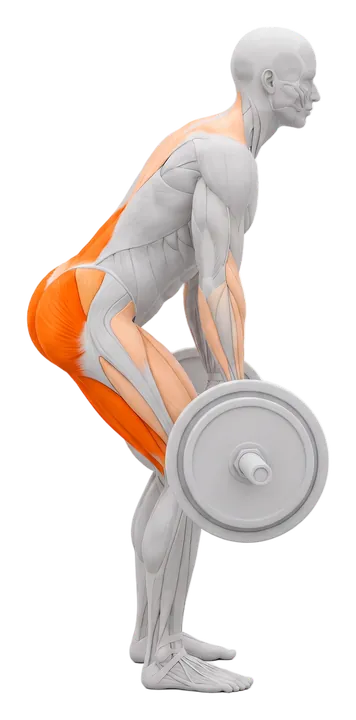
Trap bar deadlift muscles worked
| Muscle | What it does | Role |
|---|---|---|
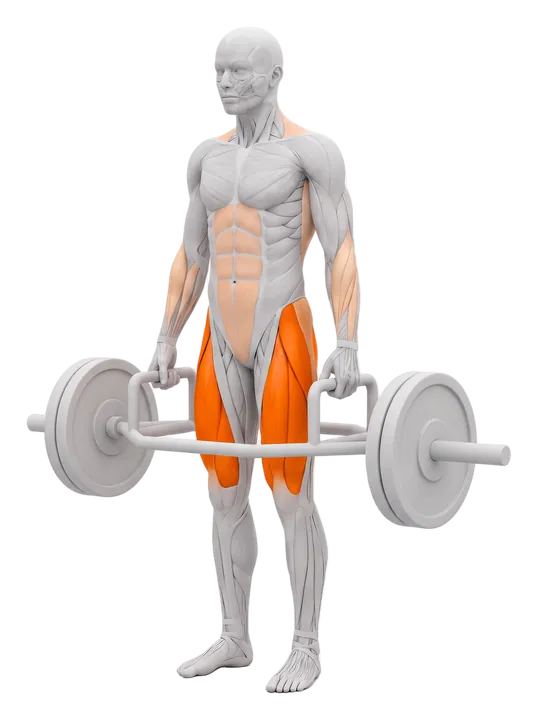
| Glutes | Extend the hip to lockout | Primary |
| Quadriceps | Straighten the knee off the floor, more than in a straight bar deadlift | Primary |
| Hamstrings | Help extend the hip | Primary |
| Lower back (spinal erectors) | Hold the spine neutral | Secondary |
| Traps and upper back | Keep the shoulders set under load | Secondary |
| Forearms and grip | Hold the handles | Secondary |
The trap bar sits between a squat and a deadlift. You bend the knees more than in a conventional deadlift, so the quads do more, and the hips do a little less. It still works the whole backside, which is why it shows up both in leg workouts and in back exercise lists.
How to do a trap bar deadlift
- Step into the middleStand in the centre of the hexagon so the handles line up with the middle of your feet. Feet about hip width, toes forward or slightly out.
- Grip the centre of the handlesHinge and bend the knees to reach the handles. Hold them in the middle so the bar balances; gripping too far forward or back tips it.
- Set your backChest up, shoulders down and back, spine neutral from head to hips. Your hips should sit a bit higher than your knees.
- Breathe and braceTake a big breath into your stomach and tense your trunk. Pull the slack out of the bar until you feel the weight, without lifting it yet.
- Push the floor awayDrive through the whole foot and stand up, hips and shoulders rising at the same rate. Finish standing tall with the glutes tight. Do not lean back.
- Lower the same wayPush the hips back and bend the knees together, keeping your back flat, until the plates touch the floor. Reset your brace before the next rep.
Form cues and common mistakes
- "Arms are ropes." Your arms only hold the bar. Do not bend the elbows or shrug it up.
- "Leg press the floor." Think of pushing the floor down rather than pulling the bar up. It keeps the hips from shooting up.
- "Proud chest." Keep the chest up off the floor to avoid rounding the upper back.
- "Squeeze, don't lean." Lock out by squeezing the glutes, not by leaning back with the lower back.
Mistakes to avoid
- Standing off-centre. Too far forward or back and the bar swings or pulls you off balance.
- Turning it into a squat. Sitting the hips very low with a near vertical back wastes the hip drive. Hips start above the knees.
- Hips first. If the hips rise and the chest stays down, the lower back takes over. Lighten the load.
- Letting the bar crash down. Control the lowering, especially on a bar that rattles on its handles.
High handles vs low handles
Most hex bars have two sets of handles. The low handles start the bar at about the same height as a straight bar deadlift with standard plates. The high handles shorten the range of motion by several centimetres.
| Handles | Range of motion | Good for |
|---|---|---|
| High | Shorter | Beginners, tall lifters, limited hip mobility, heavier loads |
| Low | Longer | More quad and glute range, closer to a full deadlift |
Pick one and stay with it for a training block, because your numbers on the two are not comparable. Note in your log which handles you used.
Trap bar vs conventional deadlift
| Trap bar deadlift | Conventional deadlift | |
|---|---|---|
| Where the load sits | At your sides | In front of the shins |
| Torso | More upright | More forward lean |
| Main emphasis | Quads, glutes and hamstrings evenly | Glutes, hamstrings and lower back |
| Learning curve | Short | Longer |
| Grip | Neutral, palms in | Double overhand or mixed |
| Equipment | Needs a trap bar | Any barbell |
| Competition lift | No | Yes, in powerlifting |
Which should you choose? If you want to compete in powerlifting or test your deadlift against deadlift strength standards, train the straight bar. If you just want a heavy full body pull that is quick to learn and forgiving on the back, the trap bar is a great main lift. Many people lift as much or more on the trap bar with high handles than on a straight bar, so do not compare the two numbers directly.
Trap bar Romanian deadlift
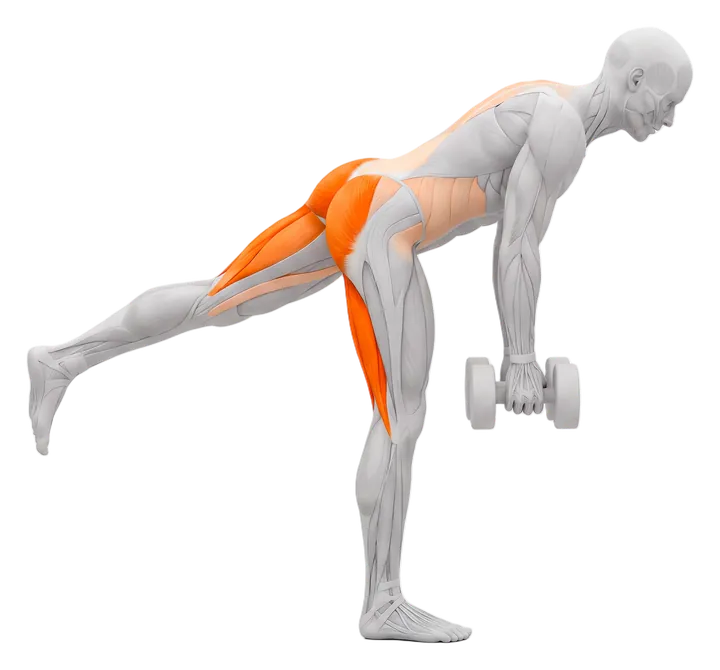
You can also do a trap bar Romanian deadlift. Stand up with the bar, then lower it by pushing the hips back with only a soft knee bend, until you feel a strong stretch in the hamstrings. Stand back up without touching the floor. It works the hamstrings and glutes in a long position, like the barbell Romanian deadlift, but with the neutral grip and the load at your sides. Use it as the second hinge of the week, after regular trap bar pulls.
Sets and reps for the trap bar deadlift
| Goal | Sets x reps | Rest | Notes |
|---|---|---|---|
| Beginner | 3 x 5 to 8 | 2 to 3 min | High handles, add weight every session at first |
| Strength | 3 to 5 x 3 to 5 | 3 to 4 min | Reset each rep from the floor |
| Muscle growth | 3 to 4 x 6 to 10 | 2 to 3 min | Stop 1 to 2 reps before failure |
| Power for sport | 4 to 6 x 2 to 3 | 2 to 3 min | Moderate load, stand up as fast as you can |
Once or twice a week is plenty. In a full body workout you can rotate it with a squat; on an upper lower split it works as the main lift on one lower day. The same bar is good for farmers walks afterwards, and rest between sets explains how long to wait between heavy sets.
How to progress the trap bar deadlift
Beginners can usually add 5 kg (10 lb) per session for a while, then switch to 2.5 kg (5 lb) steps. When even small jumps stop working, hold the weight and add reps, then add load again. These are the basic rules of progressive overload. To estimate a trap bar max from a set of 5, plug it into the deadlift calculator; just remember the number belongs to the trap bar, not the straight bar.
Gripp logs your trap bar pulls on their own chart
Log every set in Gripp and it tells you what to lift next session. The trap bar deadlift gets its own estimated 1RM and progress chart, separate from your straight bar deadlift, so the two numbers never get mixed up.
Join the waitlistTrap bar deadlift alternatives
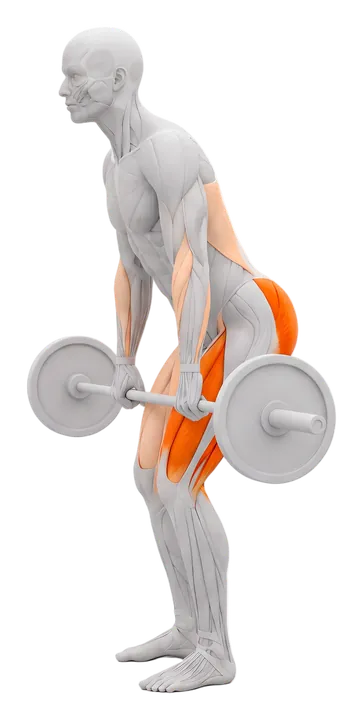
- Conventional or sumo deadlift: the straight bar versions.
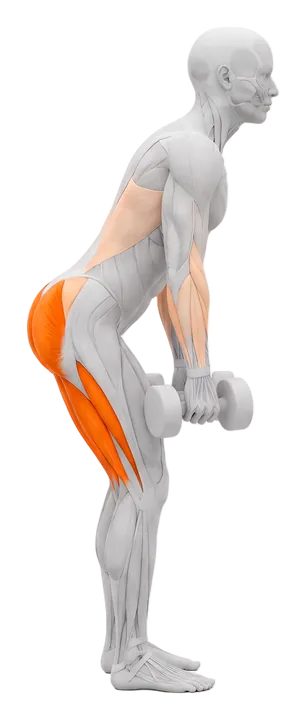
- Dumbbell deadlift: two heavy dumbbells at your sides mimic the trap bar position.
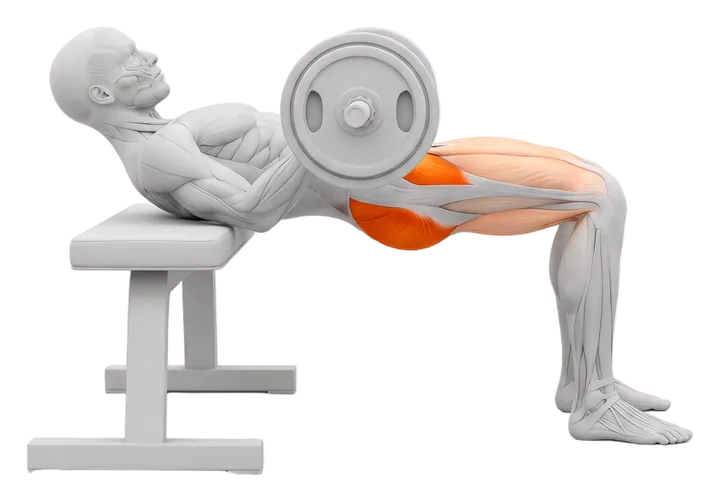
- Hip thrust: heavy glute work without loading the spine. See the hip thrust guide.
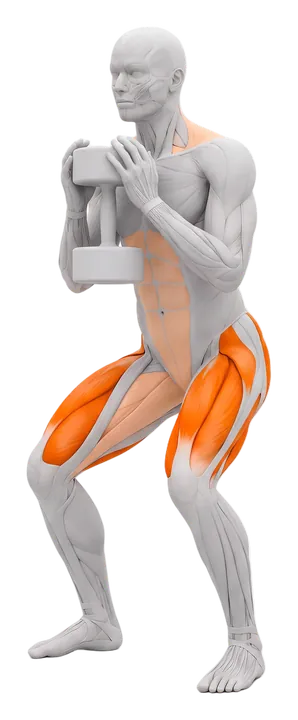
- Goblet squat or leg press: if you mainly want the quad side of the lift.
- Kettlebell deadlift: a light version for learning the pattern at home.