How to plan a workout week in 6 steps
Most people plan a workout the wrong way round: they pick exciting exercises first and then try to squeeze them into the week. Start with the calendar instead. The number of days you can really keep, week after week, decides almost everything else.
- Count your realistic daysPick the number of gym days you can keep in a busy week, not a perfect one. Two sessions you never miss beat five you skip half of. Mark rest days too, and any day with another sport, a long run or a match.
- Choose a split that fits the days2 or 3 days: train the whole body each time. 4 days: an upper lower split. 5 or 6 days: push pull legs, a 5 day split or a mix. The goal is to hit each muscle about twice a week.
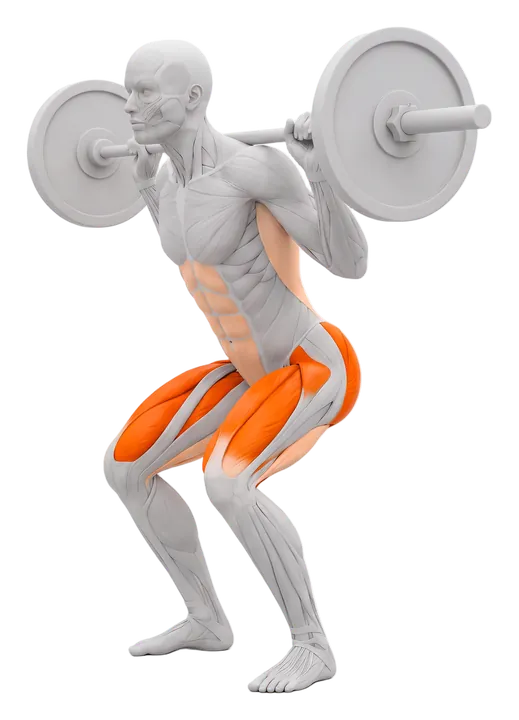
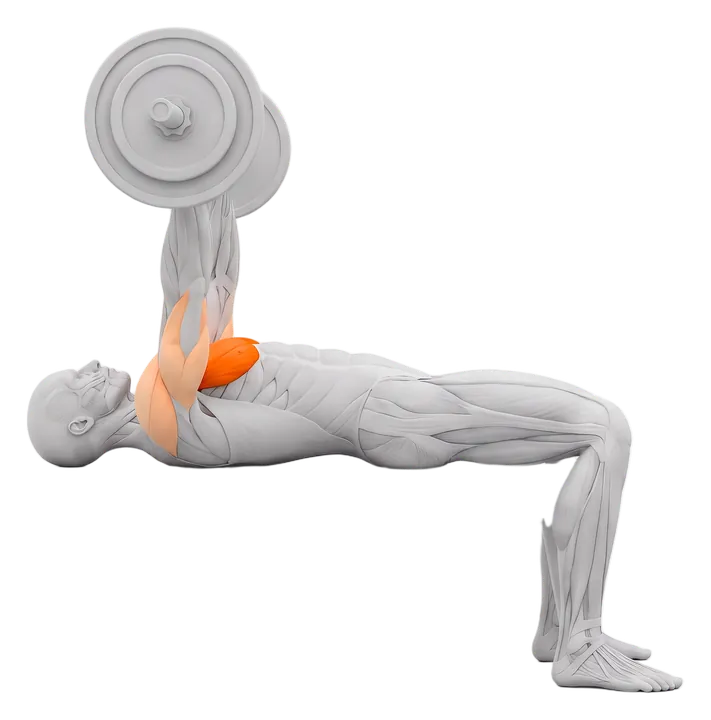
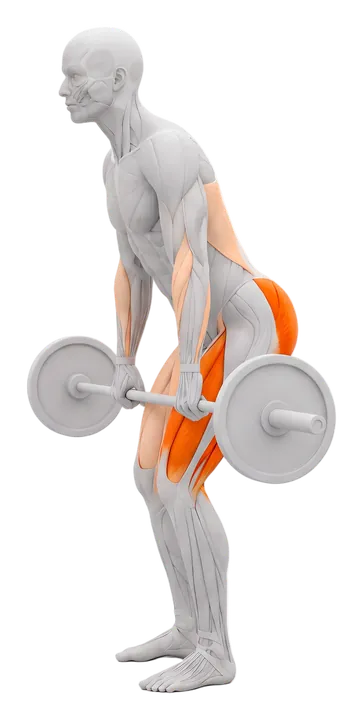
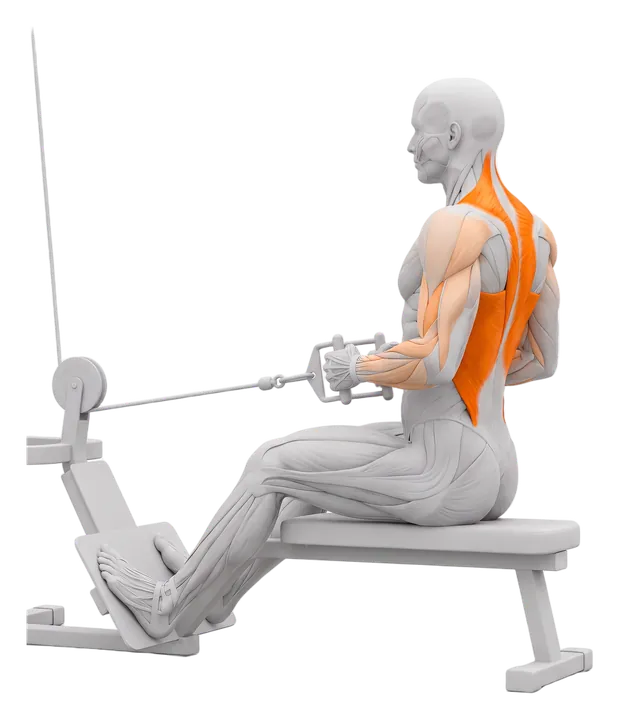
- Pick one exercise per movementEach session needs a squat or leg press, a hinge (deadlift, Romanian deadlift, hip thrust), a push (press) and a pull (row, pulldown). Add 1 to 3 smaller exercises for arms, shoulders, calves or core.
- Set sets x reps for your goalStrength: 3 to 5 sets of 3 to 6 reps on the big lifts. Muscle: 2 to 4 sets of 6 to 12. Small exercises: 2 to 3 sets of 10 to 15. Rest 2 to 3 minutes on heavy sets, 60 to 90 seconds on light ones.
- Write down a progression ruleWithout one, the plan stops working after a few weeks. Use a rep range and the rule in the progression section below.
- Log every set and review every 4 to 6 weeksKeep exercises the same long enough to see progress. Swap one only if it hurts, the equipment is never free, or it has stalled for weeks.
Free weekly workout planner template
Copy this table into a notebook, a spreadsheet or your notes app. If you would rather have an app write the plan for you, the Fitbod alternative page compares apps that generate workouts with ones that follow your own plan. One row per training day. Fill in the split first, then the exercises, then the targets. The second table is a filled-in example for a 3 day week so you can see what a finished row looks like.
| Day | Session type | Exercise 1 (sets x reps) | Exercise 2 | Exercise 3 | Exercise 4 | Extra / sport |
|---|---|---|---|---|---|---|
| Mon | ||||||
| Tue | ||||||
| Wed | ||||||
| Thu | ||||||
| Fri | ||||||
| Sat | ||||||
| Sun |
| Day | Session type | Exercise 1 | Exercise 2 | Exercise 3 | Exercise 4 | Extra / sport |
|---|---|---|---|---|---|---|
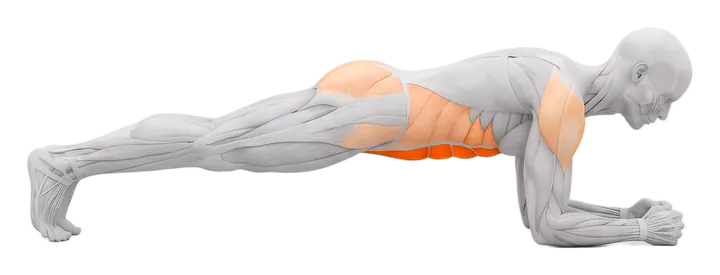
| Mon | Full body A | Squat 3 x 5 to 8 | Bench press 3 x 6 to 10 | Seated cable row 3 x 8 to 12 | Plank 3 x 30 s | |
| Tue | Rest | Easy walk | ||||
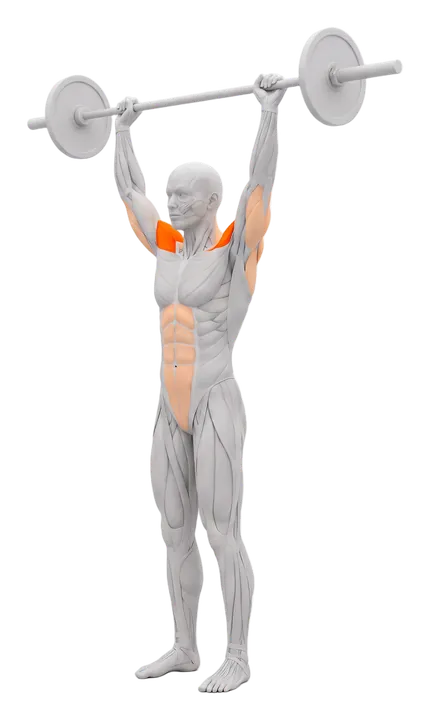
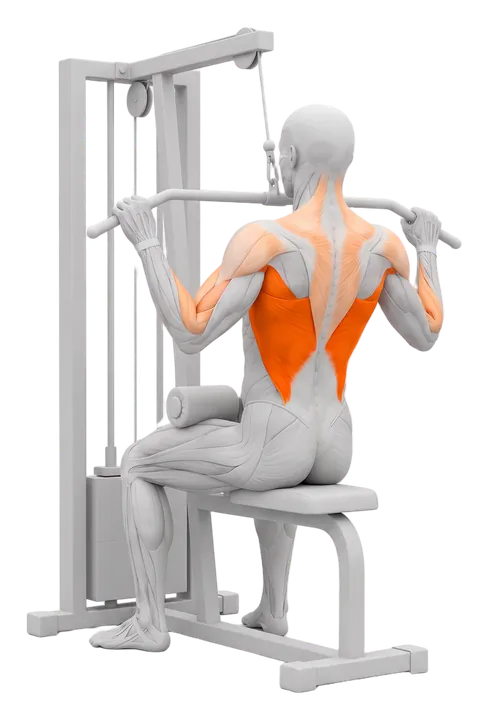
| Wed | Full body B | Romanian deadlift 3 x 6 to 10 | Overhead press 3 x 6 to 10 | Lat pulldown 3 x 8 to 12 | Lateral raise 2 x 12 to 15 | |
| Thu | Run | 30 to 40 min easy | ||||
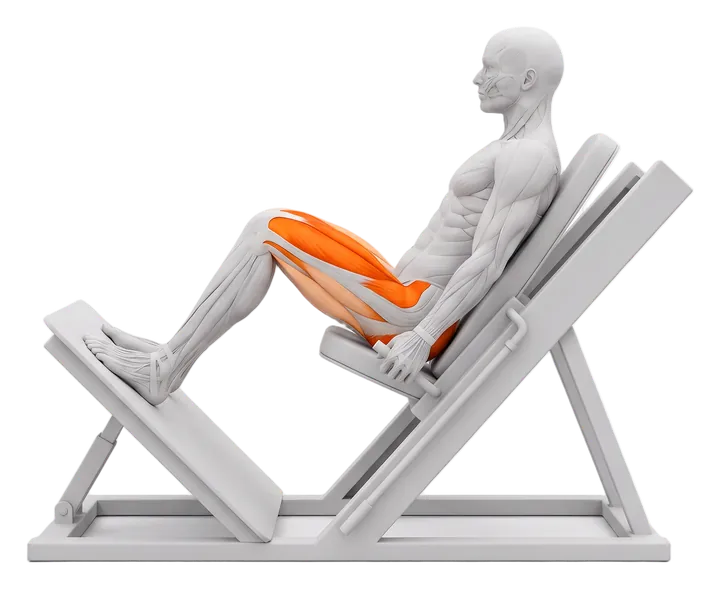
| Fri | Full body C | Leg press 3 x 10 to 12 | Incline dumbbell press 3 x 8 to 12 | Dumbbell row 3 x 8 to 12 | Hammer curl 2 x 10 to 12 | |
| Sat | Rest | |||||
| Sun | Rest |
Example plans for 2, 3 and 4 days a week
2 day plan: full body twice
| # | Day A | Day B |
|---|---|---|
| 1 | Back squat, 3 x 5 to 8 | Deadlift or trap bar deadlift, 3 x 4 to 6 |
| 2 | Bench press, 3 x 6 to 10 | Overhead press, 3 x 6 to 10 |
| 3 | Barbell row, 3 x 8 to 10 | Pull-up or lat pulldown, 3 x 6 to 12 |
| 4 | Romanian deadlift, 2 x 8 to 10 | Bulgarian split squat, 2 x 8 to 10 per leg |
| 5 | Plank, 3 x 30 to 45 s | Dumbbell curl and triceps pushdown, 2 x 10 to 15 each |
Two days is enough to get stronger, especially for beginners. Each session is a little longer because it has to cover everything. A full body workout is the only sensible split here.
3 day plan: full body A, B, C
Use the filled-in template above. Three different full body days let you train each big movement two to three times a week without repeating the same session. It suits beginners and anyone combining the gym with running, football or another sport. The 3 day split guide compares other ways to use three days.
4 day plan: upper and lower
| # | Upper 1 | Lower 1 | Upper 2 | Lower 2 |
|---|---|---|---|---|
| 1 | Bench press, 3 x 5 to 8 | Back squat, 3 x 5 to 8 | Overhead press, 3 x 6 to 10 | Romanian deadlift, 3 x 6 to 10 |
| 2 | Barbell row, 3 x 6 to 10 | Hip thrust, 3 x 8 to 12 | Lat pulldown, 3 x 8 to 12 | Leg press, 3 x 10 to 12 |
| 3 | Incline dumbbell press, 2 x 8 to 12 | Lying leg curl, 3 x 10 to 12 | Incline dumbbell press, 3 x 8 to 12 | Walking lunge, 2 x 10 per leg |
| 4 | Lat pulldown, 2 x 10 to 12 | Standing calf raise, 3 x 10 to 15 | Seated cable row, 3 x 10 to 12 | Leg extension, 2 x 12 to 15 |
| 5 | Lateral raise, 2 x 12 to 15 | Hanging knee raise, 3 x 10 to 15 | Hammer curl and triceps pushdown, 2 x 10 to 15 | Seated calf raise, 3 x 12 to 15 |
For more ways to set up four days, see the 4 day split guide, which compares upper lower, PHUL and push pull legs plus upper.
Plan the progression, not just the exercises
A workout plan without a progression rule is a list of exercises. What makes it a plan is knowing what to do next session. The simplest rule that works for almost everyone is double progression:
- Choose a rep range, for example 3 sets of 8 to 12.
- Start with a weight you can lift for the bottom of the range with 1 to 3 reps to spare.
- Each session, try to add a rep to one or more sets.
- When every set reaches the top of the range, add the smallest jump: 2.5 kg (5 lb) on upper body lifts, 2.5 to 5 kg (5 to 10 lb) on lower body lifts. Start again at the bottom of the range.
This is progressive overload in its most practical form. To pick a starting weight on the big lifts, estimate your max from a recent hard set with the 1RM calculator and start the first week around 65 to 75 % of it.
Planning around running, football and other sport
A weekly workout planner for someone who also runs or plays a team sport looks different. The gym should support the sport, not wreck your legs before a match.
- Hard leg days far from key sessions: put squats and deadlifts at least 48 hours before a long run, interval session or match.
- Pair hard with hard: if you have to train twice in a day, do the hard run and the heavy lifts on the same day and keep the next day easy.
- Two or three gym days is plenty: full body sessions cover everything without stealing recovery from the sport.
A planner that remembers the plan for you
In Gripp you set up your week once, for example 3 gym days and 1 run, and log every set's reps and weight. Next session it tells you what to lift: last time 7 reps at 105 kg, today go for 8. If your week changes, ask the AI coach. It knows your plan and history and suggests a concrete change, such as moving leg day away from a match, and nothing changes until you tap Approve.
Join the waitlistCommon workout planning mistakes
- Too many exercises. Eight exercises done half-heartedly build less than four done hard.
- Changing the plan every week. You cannot see progress if nothing stays the same. Keep the main lifts for at least 6 to 8 weeks.
- No pulling. Many plans are all presses. Match every push with a pull such as the seated cable row or lat pulldown.