How GZCLP works: three tiers
The GZCL method sorts every exercise in a session by how heavy it is and how many reps it gets. GZCLP is the beginner version of that idea, written up by Lefever (u/gzcl on Reddit) as a simple plan that still trains the squat, bench press, deadlift and overhead press with both heavy and moderate weights each week.
| Tier | What it is | Starting scheme | Rest |
|---|---|---|---|
| T1 | The main barbell lift of the day, heavy | 5 x 3+ | 3 to 5 min |
| T2 | A second compound lift, lighter, more reps | 3 x 10 | 2 to 3 min |
| T3 | Accessory exercise, light, high reps | 3 x 15+ | 1 to 1.5 min |
The + means the last set is an AMRAP set: as many reps as possible. Push it, but stop with a rep or two in reserve, when bar speed drops clearly. The program does not ask you to grind to true failure.
The GZCLP 4 day template
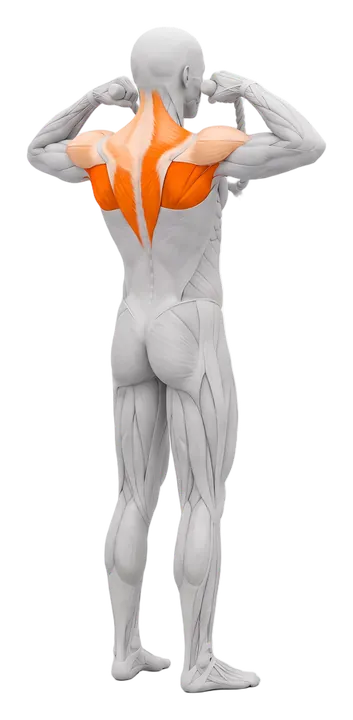
There are four workouts. Each main lift is a T1 on one day and a T2 on another, so you practise it heavy and for volume. The T3 slots alternate between a vertical and a horizontal pull, which gives the program more back work than most beginner plans.
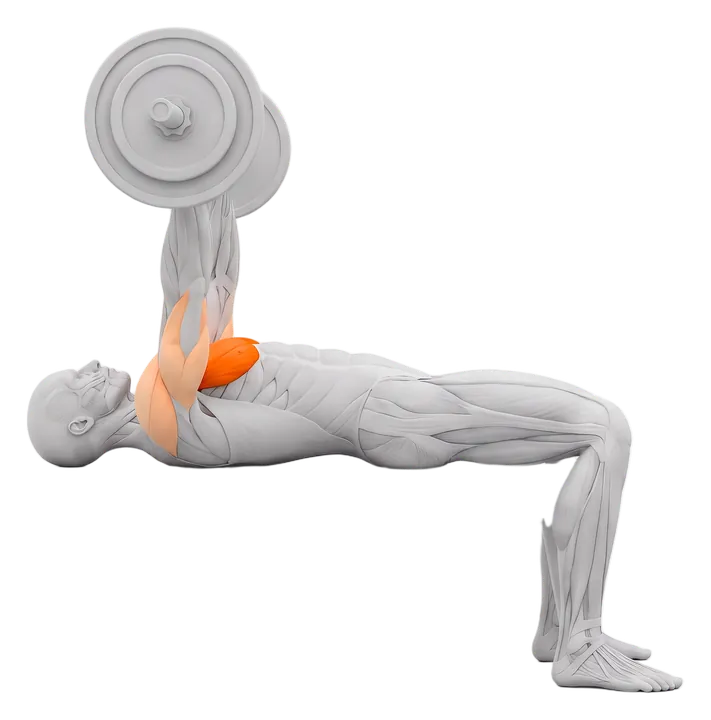
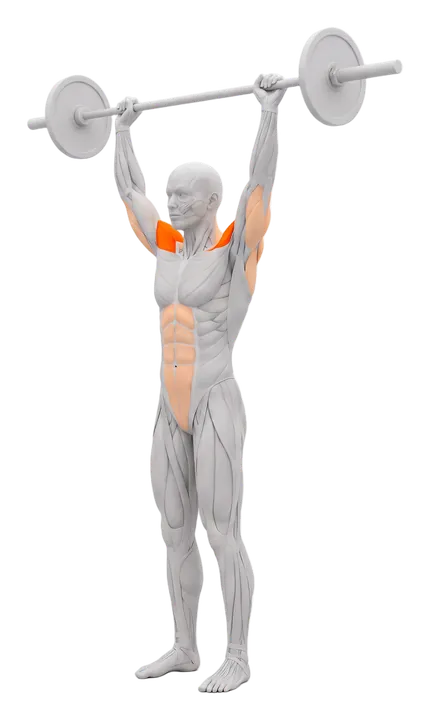
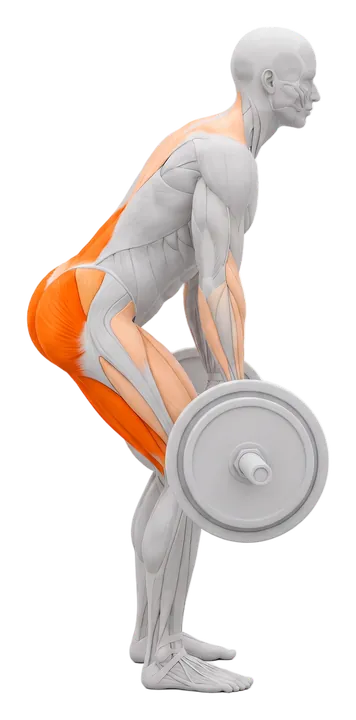
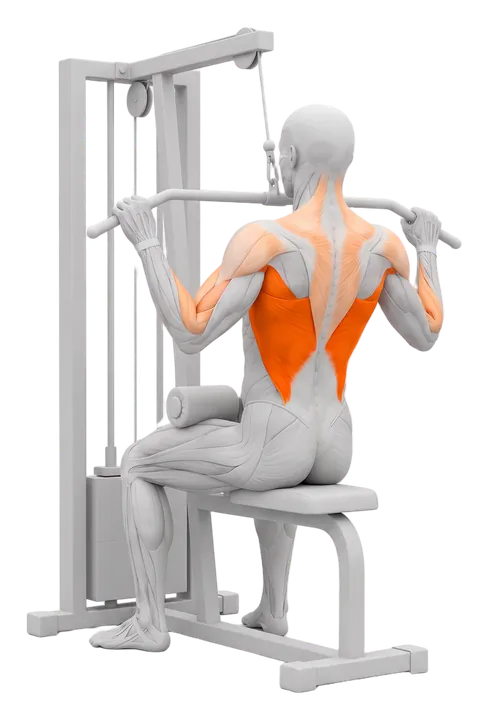
| Day | T1 (5 x 3+) | T2 (3 x 10) | T3 (3 x 15+) |
|---|---|---|---|
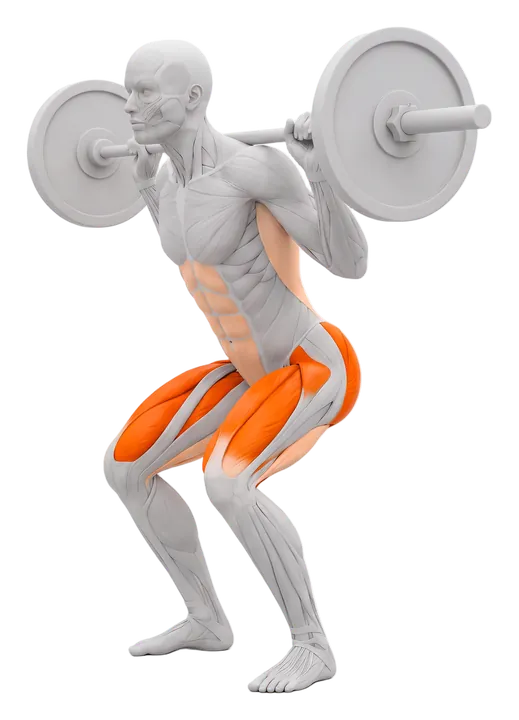
| Day 1 | Squat | Bench press | Lat pulldown |
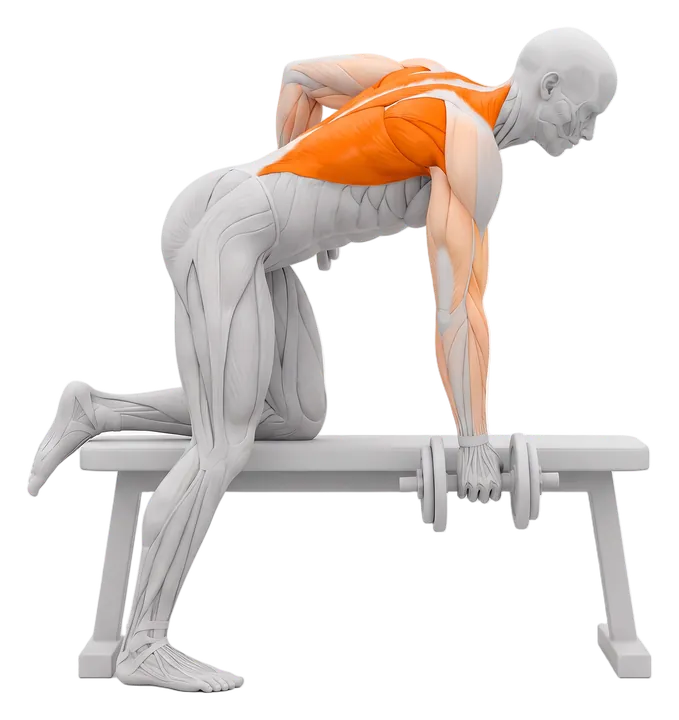
| Day 2 | Overhead press | Deadlift | Dumbbell row |
| Day 3 | Bench press | Squat | Lat pulldown |
| Day 4 | Deadlift | Overhead press | Dumbbell row |
GZCLP 3 day or 4 day?
The original plan runs three days a week, for example Monday, Wednesday and Friday, and simply rotates through the four workouts: week 1 is Days 1, 2, 3, week 2 starts with Day 4 and so on. Running all four workouts every week turns it into a 4 day split, but keep in mind the program advises at least one rest day between sessions, which is hard to fit with four days. Many lifters stay on the three day rotation for that reason. Both work. Three days is easier to recover from; four days moves faster. To fit either into the rest of your week, use the workout planner.
GZCLP T3 exercises and accessories
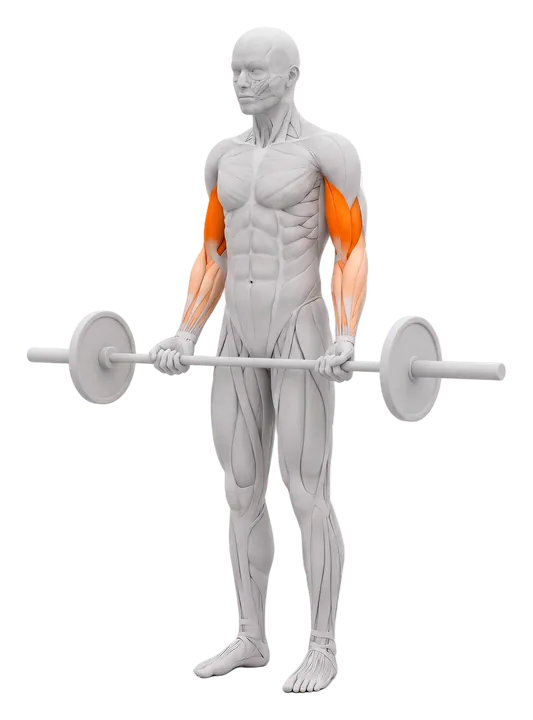
The lat pulldown and dumbbell row are the default T3 lifts. Many lifters add one or two more T3 exercises, such as curls, face pulls, leg curls or calf raises, with the same 3 x 15+ scheme. Keep it short: the T1 and T2 lifts are what drive the program.
GZCLP progression: stages and failure
This is the part that makes GZCLP different from other linear programs. As long as you complete all the reps, you add weight next session. When you miss, you keep the weight and move to the next stage, which splits the same work into smaller sets.
| Stage | T1 | T2 | T3 |
|---|---|---|---|
| Stage 1 | 5 x 3+ | 3 x 10 | 3 x 15+ |
| Stage 2 | 6 x 2+ | 3 x 8 | no stages |
| Stage 3 | 10 x 1+ | 3 x 6 | no stages |
- Success: add weightIf you hit every rep of the current stage, add weight next time: 2.5 kg (5 lb) on the bench press and overhead press, 5 kg (10 lb) on the squat and deadlift. This applies to both T1 and T2.
- Fail: change stage, keep the weightIf you miss reps, the next session uses the same weight with the next stage. A T1 that fails at 5 x 3+ moves to 6 x 2+, then to 10 x 1+. A T2 that fails at 3 x 10 moves to 3 x 8, then to 3 x 6.
- T1 fails at stage 3: resetTest a new 5 rep max, then restart at Stage 1 (5 x 3+) with 85 % of that weight.
- T2 fails at stage 3: resetGo back to the last weight you lifted at Stage 1 (3 x 10), add about 7.5 to 10 kg (15 to 20 lb) to it and restart at Stage 1.
- T3: add weight at 25Keep the weight until you get 25 reps or more on the last set of 3 x 15+. Then go up a small step.
The AMRAP sets are not just for fun. A big last set tells you the weight is still light for you. A last set that barely reaches the target warns you a stage change is coming. GZCLP is a very direct form of progressive overload: more weight every session for as long as the stages let you.
Starting weights
Start lighter than you want to. A common way is to take 85 % of your 5 rep max for the T1 lifts, the same rule the program uses for resets. If you only know a heavy set of a different number of reps, estimate your max with the 1RM calculator first.
For T2, choose a weight you can lift for 3 x 10 with good form and a couple of reps to spare. For T3, a weight where the first set is a steady 15. The first few weeks should feel easy. That is the point: they build momentum and practice before the weights get heavy.
Who GZCLP suits, and GZCLP vs 5/3/1
- Good fit: beginners and early intermediates who want strength on the four main lifts and like clear rules.
- Good fit: lifters coming off a 3 x 5 program who stalled and want more volume and a smarter way to handle misses.
- Less ideal: people who only want muscle size and do not care about barbell numbers. A hypertrophy plan such as PHUL may suit them better.
- Less ideal: lifters who stall within weeks on every linear plan. They are usually ready for a slower program.
GZCLP vs 5/3/1: GZCLP adds weight every session, which is right while you are still progressing fast. 5/3/1 adds weight once a month, which is right when you are not. Many lifters run GZCLP until the resets come close together, then switch, or move to nSuns 5/3/1 if they want more weekly volume. Compared with StrongLifts 5x5, GZCLP has more pulling, separate heavy and volume days for each lift, and the stages give you more time before a reset. Greyskull LP sits at the other end, with less volume and an AMRAP set on every lift.
How to run GZCLP in Gripp
GZCLP lives on records: which stage each lift is on, what weight it was, and how many reps the AMRAP set reached. Paper works, but it is easy to lose track when eight lifts are each in a different stage.
Log the tiers, see the trend
Set up the four days in Gripp and log every set, AMRAP sets included. Gripp keeps an estimated 1RM per lift on a progress chart, so you can see whether a reset is a blip or a real stall, and it suggests what to lift next on your T3 work. If you want to swap a T3 exercise, ask the AI coach; it proposes the change and only applies it when you approve.
Join the waitlist