Heavy Duty: Mentzer's principles
Mike Mentzer was a professional bodybuilder in the 1970s and 1980s who later coached and wrote about training. His system grew out of Arthur Jones' high intensity training, and he kept refining it for the rest of his life, cutting volume and frequency further as he went. The core ideas stayed the same:
- Intensity: each work set goes to momentary muscular failure, the point where another strict rep is not possible. Stopping because it gets uncomfortable does not count.
- Brevity: after warm-ups, one work set per exercise and only a few exercises per session.
- Infrequency: long breaks between workouts. Mentzer saw overtraining as the most common mistake lifters make.
- Strict form: no bouncing, jerking or heaving. The weight is lifted and lowered under control.
The Mike Mentzer workout routine: his 3 day split
This is the routine as Mentzer described it for natural lifters in his later consultations, published on his official site. Three workouts, rotated, with only 14 work sets in the whole cycle. A + between two exercises is a pre-exhaust pair: the isolation exercise first, then straight into the compound lift.
| Workout | Exercises | Work sets |
|---|---|---|
| 1: Chest and back | Dumbbell flyes or pec deck + close grip incline press; close grip palms up pulldown; row; shrug | 5 |
| 2: Shoulders and arms | Lateral raise; rear delt exercise; straight bar curl; triceps pressdown; dips | 5 |
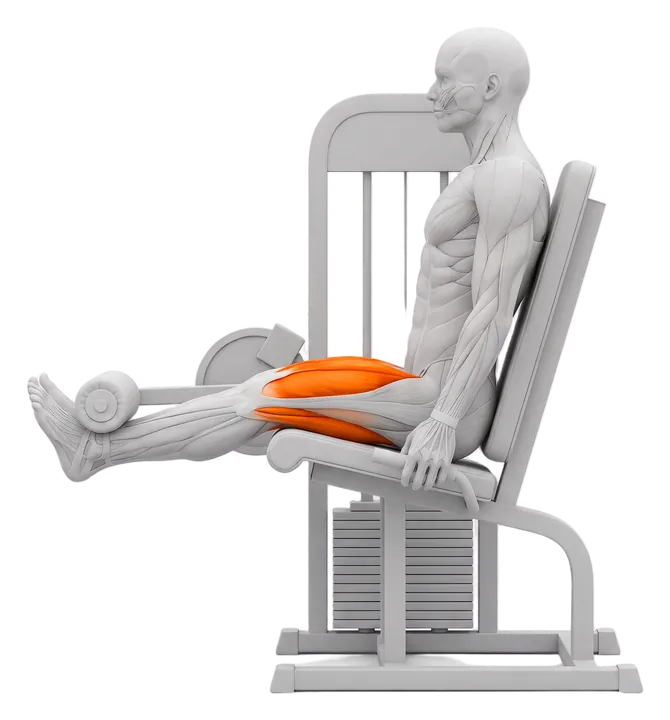
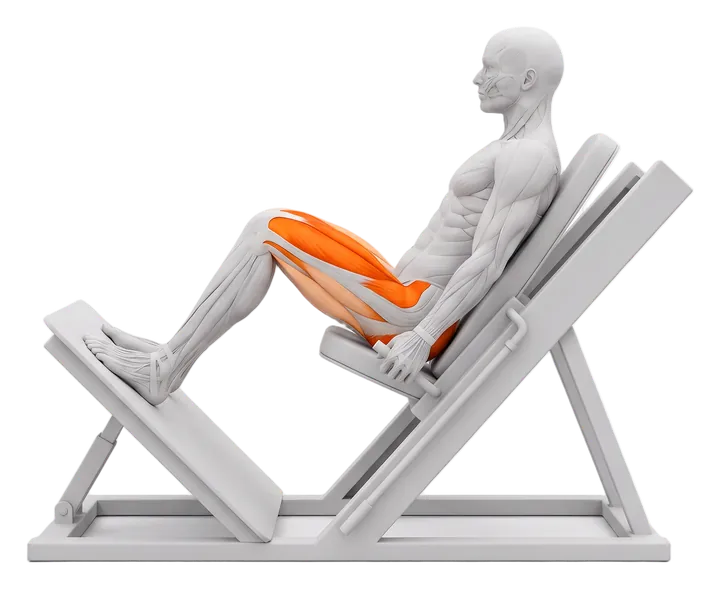
| 3: Legs | Leg extension + leg press; leg curl; standing calf raise | 4 |
Reps: pick a weight that allows about 6 to 10 strict reps before failure. Mentzer allowed 8 to 12 at times and higher reps on the leg press. The pulldown is close to a chin-up pattern, and the triceps pressdown is the same movement as a tricep pushdown with a bar.
The 4 workout Ideal Routine
Mentzer also described a four workout rotation, sometimes searched as the Mike Mentzer 4 day split: chest and back, legs, delts and arms, then legs again with a squat focus. It uses the same pre-exhaust pairs, such as pec deck into incline press, and he called the deadlift the most productive exercise of all. It is not four days a week, though. Like the three workout version, each session is followed by several days of rest.
The Mike Mentzer workout schedule: rest days
The schedule is what surprises most people. In the routine above, Mentzer recommended training about once every 72 hours, and not more often than every 48 hours. With three workouts in rotation, each muscle group is trained roughly every nine days.
| Day 1 | Day 4 | Day 7 | Day 10 | Day 13 | Day 16 |
|---|---|---|---|---|---|
| Chest and back | Shoulders and arms | Legs | Chest and back | Shoulders and arms | Legs |
Over the years he spaced workouts even further, often 4 to 7 days apart, and advised adding rest days as you get stronger. His test was simple: if you are not stronger than last time, you probably have not recovered, so rest more before you add anything.
How to progress, as Mentzer described it
- Keep a progress chartWrite down the date, exercise, weight, strict reps, machine settings and how many days since the last workout. Mentzer saw the log as the only honest feedback.
- Beat the last workoutEvery session, aim for one more strict rep or more weight on each work set.
- Add weight past about 10 repsWhen you get more than about 10 strict reps, increase the weight so you land near the bottom of the range again.
- If you stall, rest moreCheck recovery time first. Mentzer's answer to stalled progress was more rest days, not more sets.
This is progressive overload squeezed into as few sets as possible. Because every set is to failure, the log matters more than in most programs: a single rep is the difference between progress and a plateau.
Who it suits, and the risks of training to failure
- Good fit: busy people who can only train two or three times a week and like short sessions.
- Good fit: experienced lifters who want a change from high volume and are good at judging true effort.
- Less ideal: lifters who want to get better at the barbell lifts themselves. Strength in a lift is also a skill, and one set every week or so is little practice.
- Less ideal: new lifters who are still learning form. Failure sets are where form breaks first.
Training every set to failure has real downsides. The last reps are where technique slips, and a heavy squat or bench press that fails without safety bars or a spotter can trap you. That is one reason Mentzer's routines lean on machines, cables and isolation exercises for the failure work. Fatigue also builds up: true failure sets take longer to recover from than sets stopped a rep or two short.
- Use machines, safeties or a spotter for any lift taken to failure.
- Stop the set if form breaks down, even if you could squeeze out a rep.
- Pain in a joint is a signal to stop, not to push through. See a physiotherapist or doctor if it persists.
- If you have a heart or blood pressure condition, ask your doctor before doing all-out sets.
Running Heavy Duty in Gripp
The progress chart Mentzer asked for
Mentzer wanted every rep, weight and rest day on record. Gripp logs each set's reps and weight and tells you what to aim for next time, so you know the rep you need to beat. The estimated 1RM chart per exercise shows whether longer rest is paying off. If you want to compare it with a higher volume plan, the Arnold split is close to the opposite approach.
Join the waitlist